The neuroscience of deeper learning

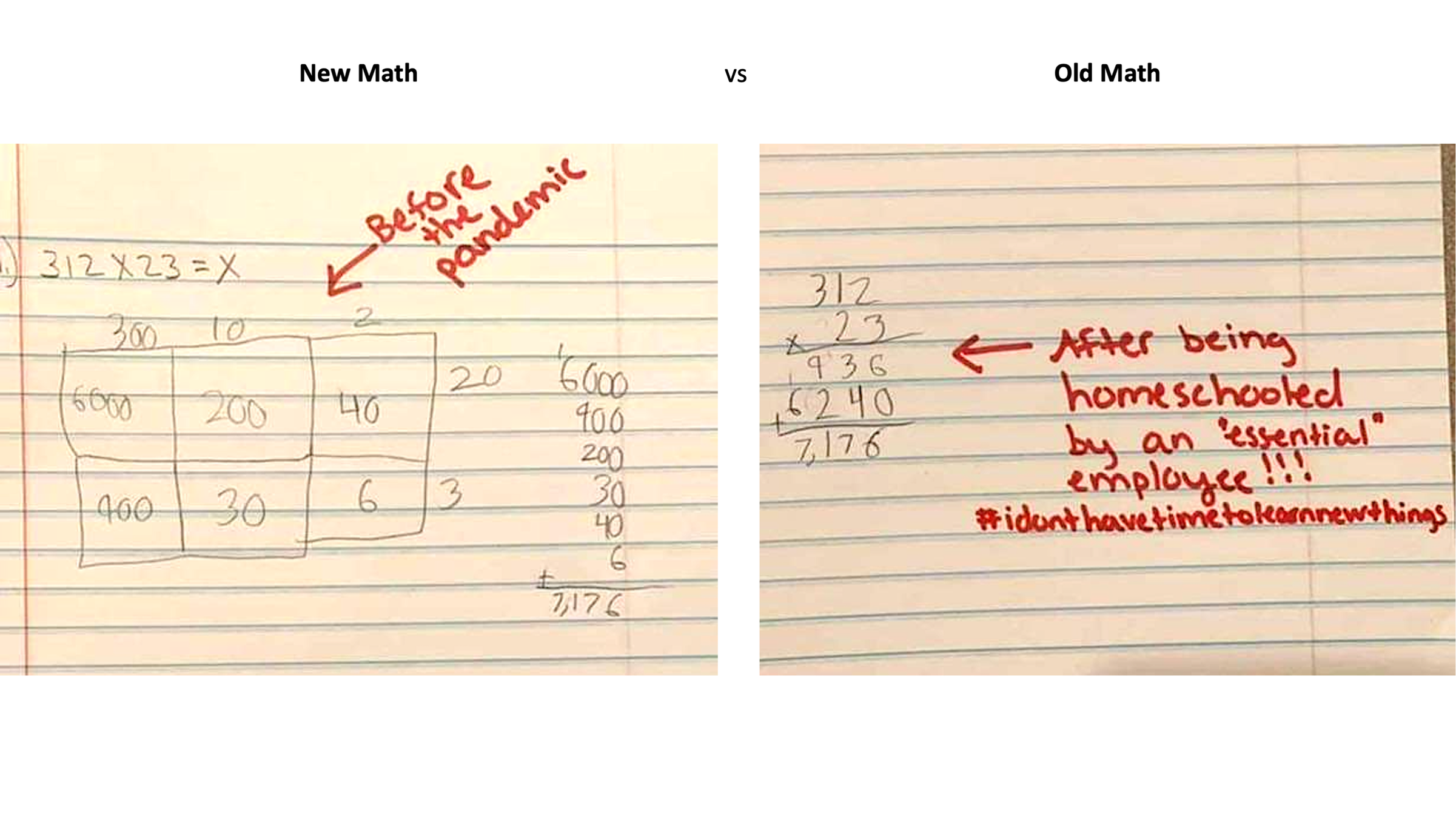
"Why can't we just teach math the way I learned it?"
Procedural
Conceptual
How do we teach?
How do we learn?

What if mathematics could be taught the way the brain learns?






\frac{7}{8}+\frac{12}{13}
Estimate the Sum
a. 1
b. 2
c. 19
d. 21
Majority of students chose "C" or "D"
\frac{187}{104}
=
\frac{7}{8}+\frac{12}{13}

Estimate the Sum
+



≈ 2
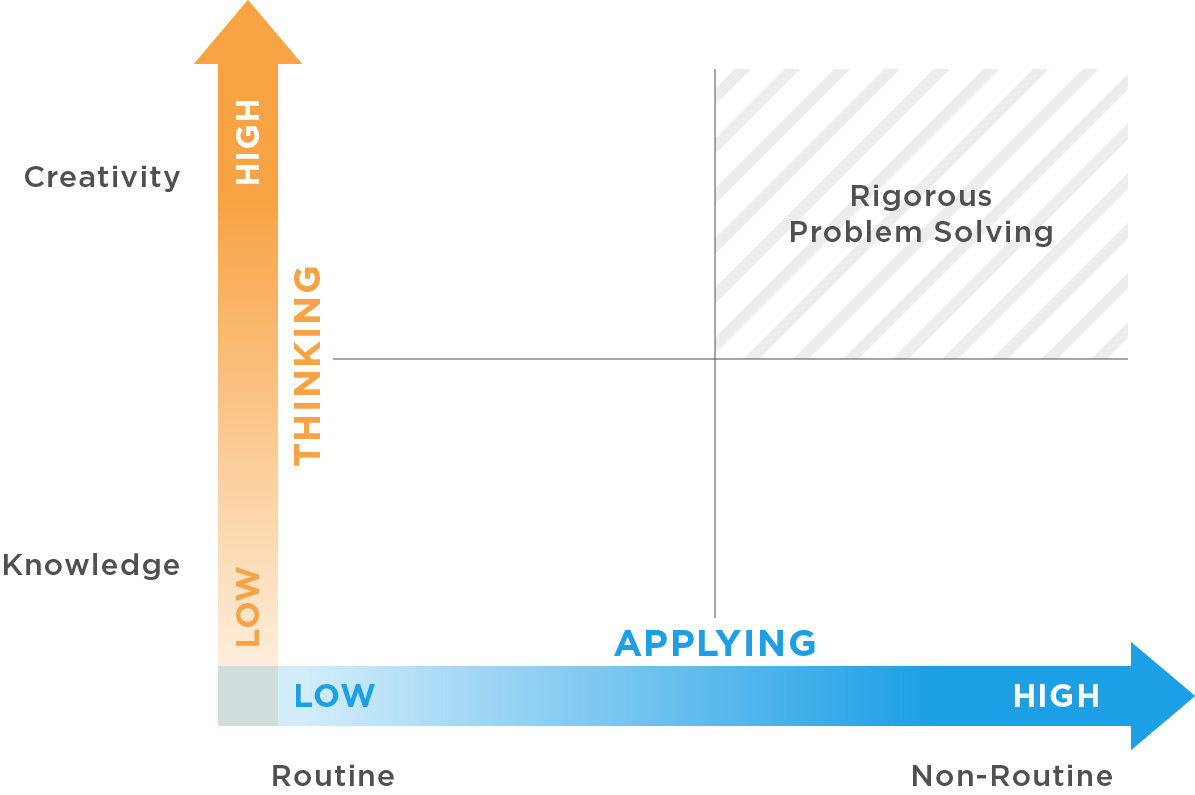
Deep conceptual understanding
Deep conceptual understanding

Deep conceptual understanding







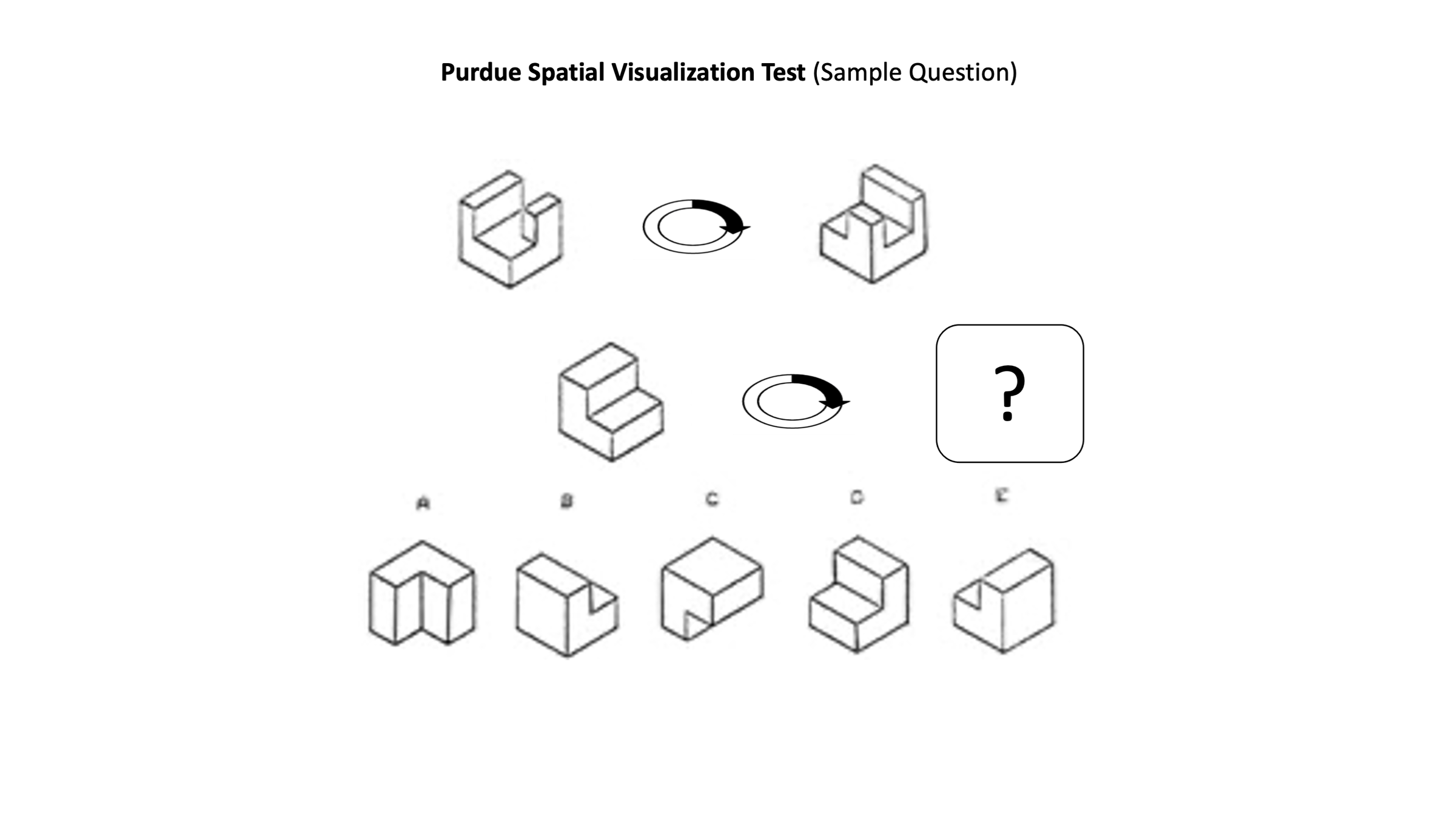
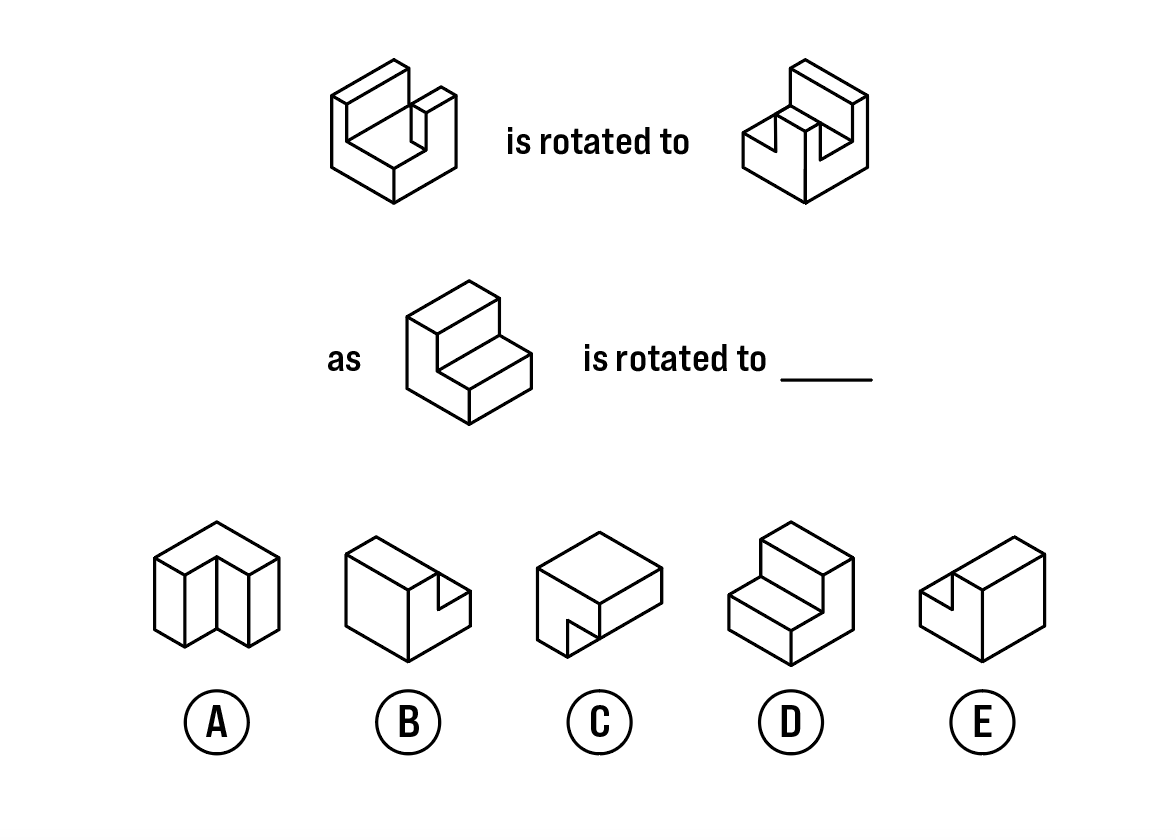

?





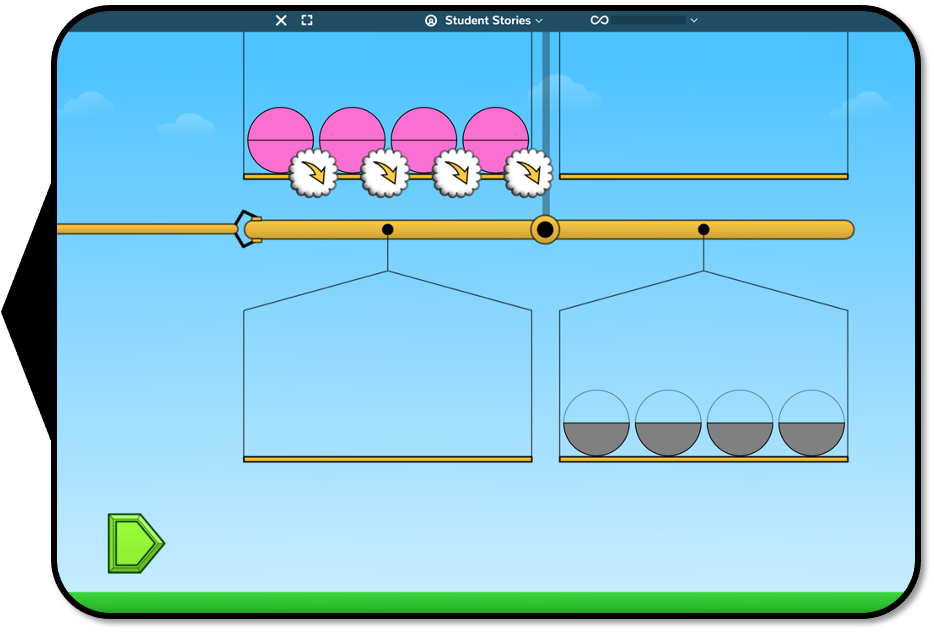
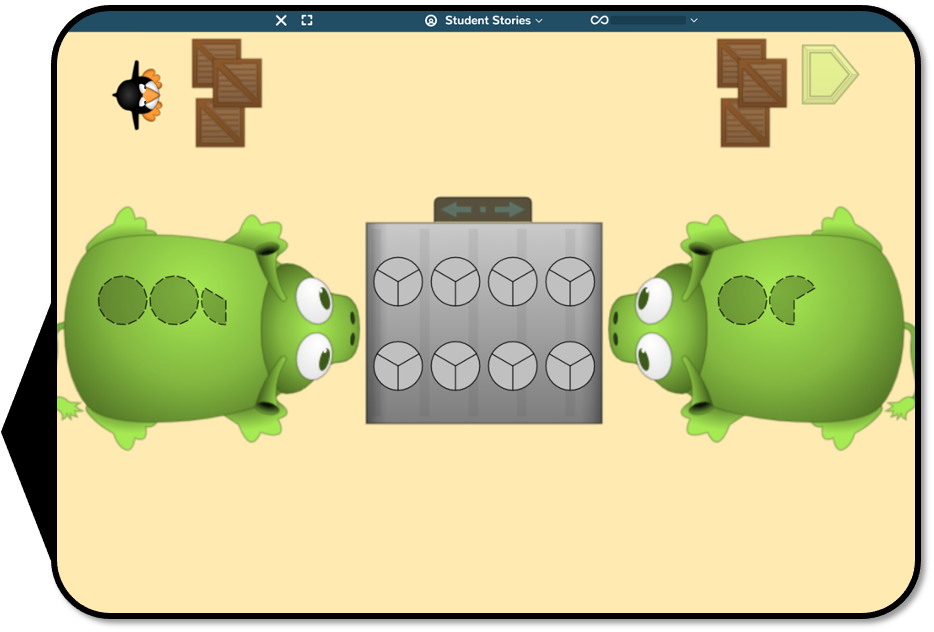
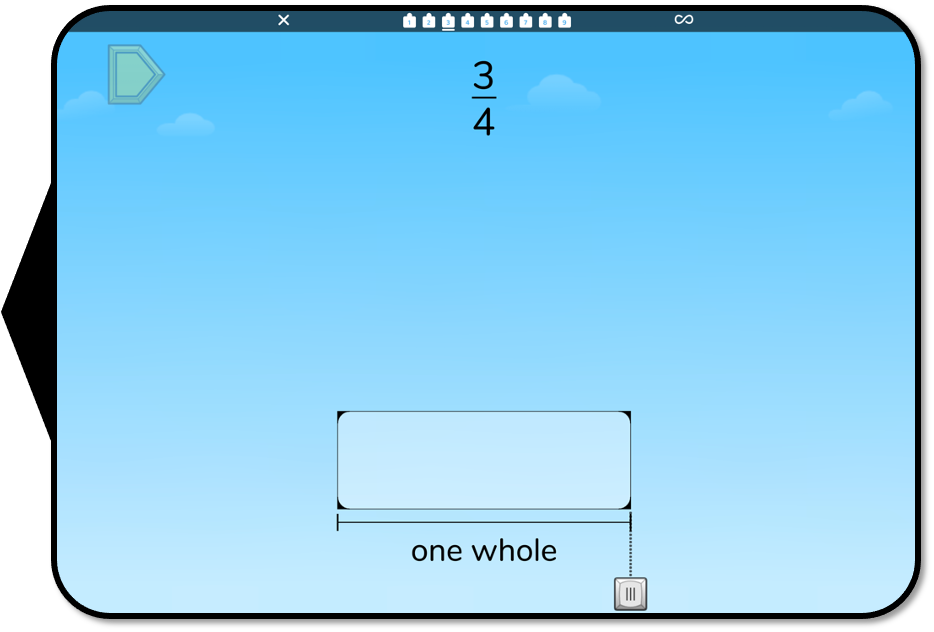
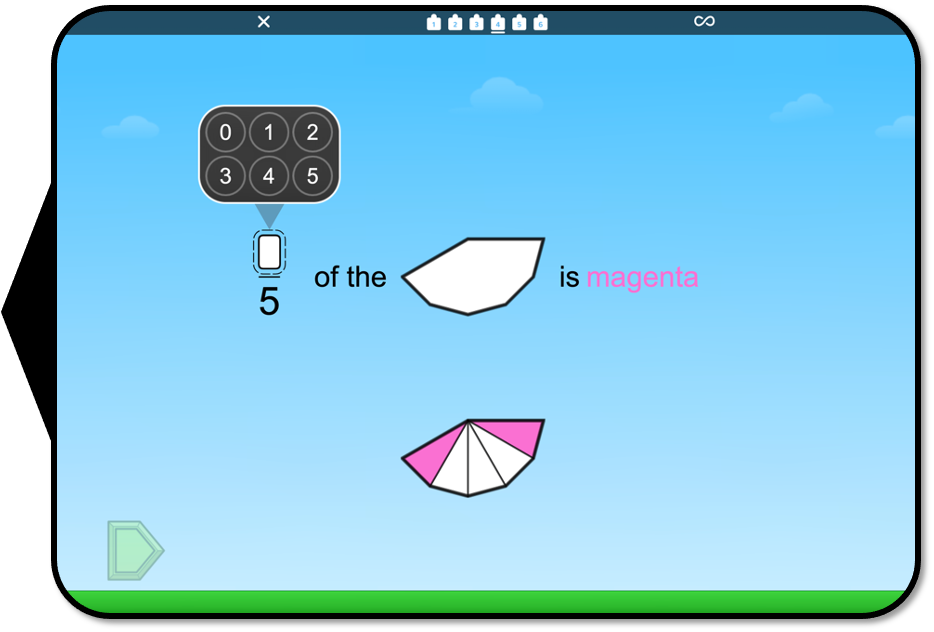


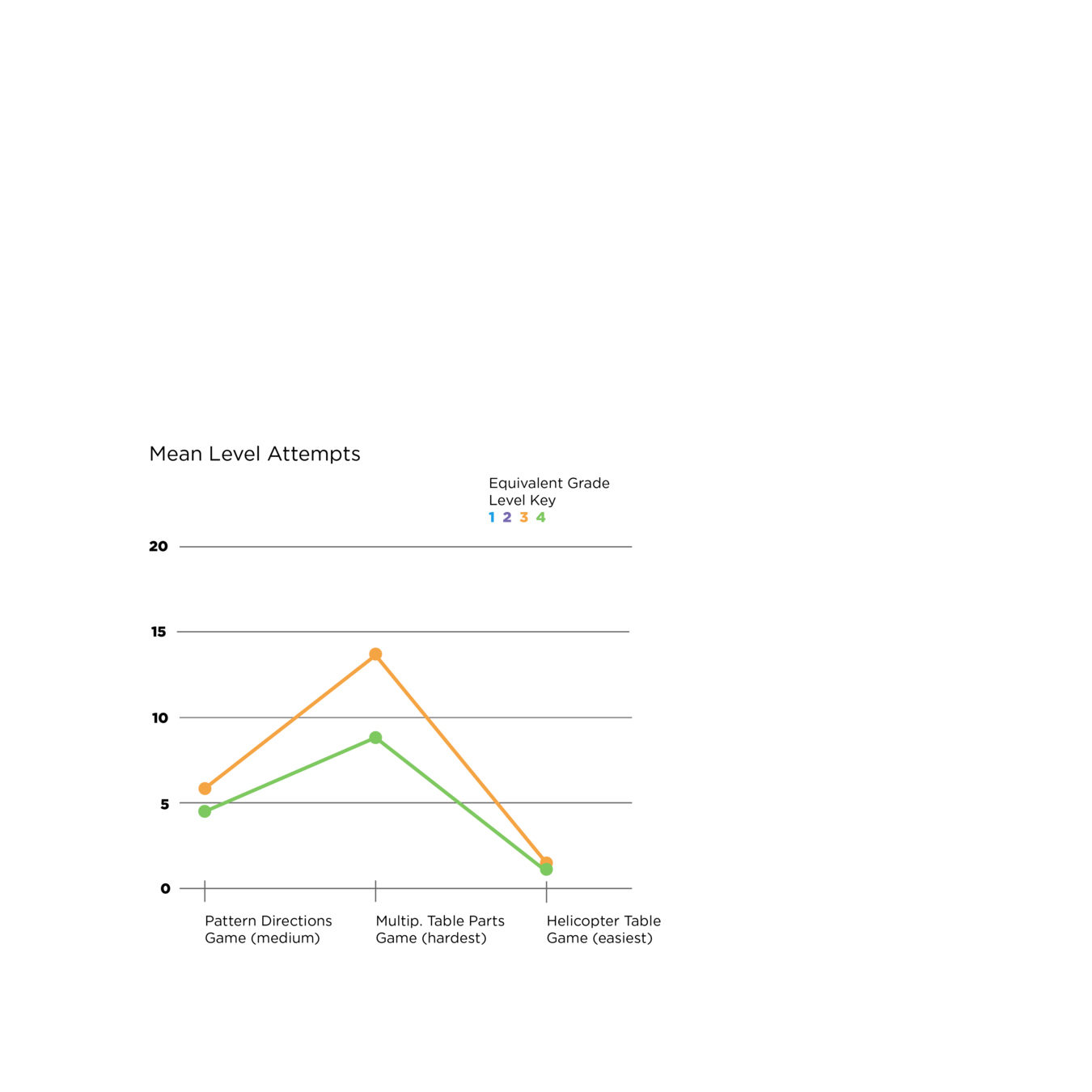
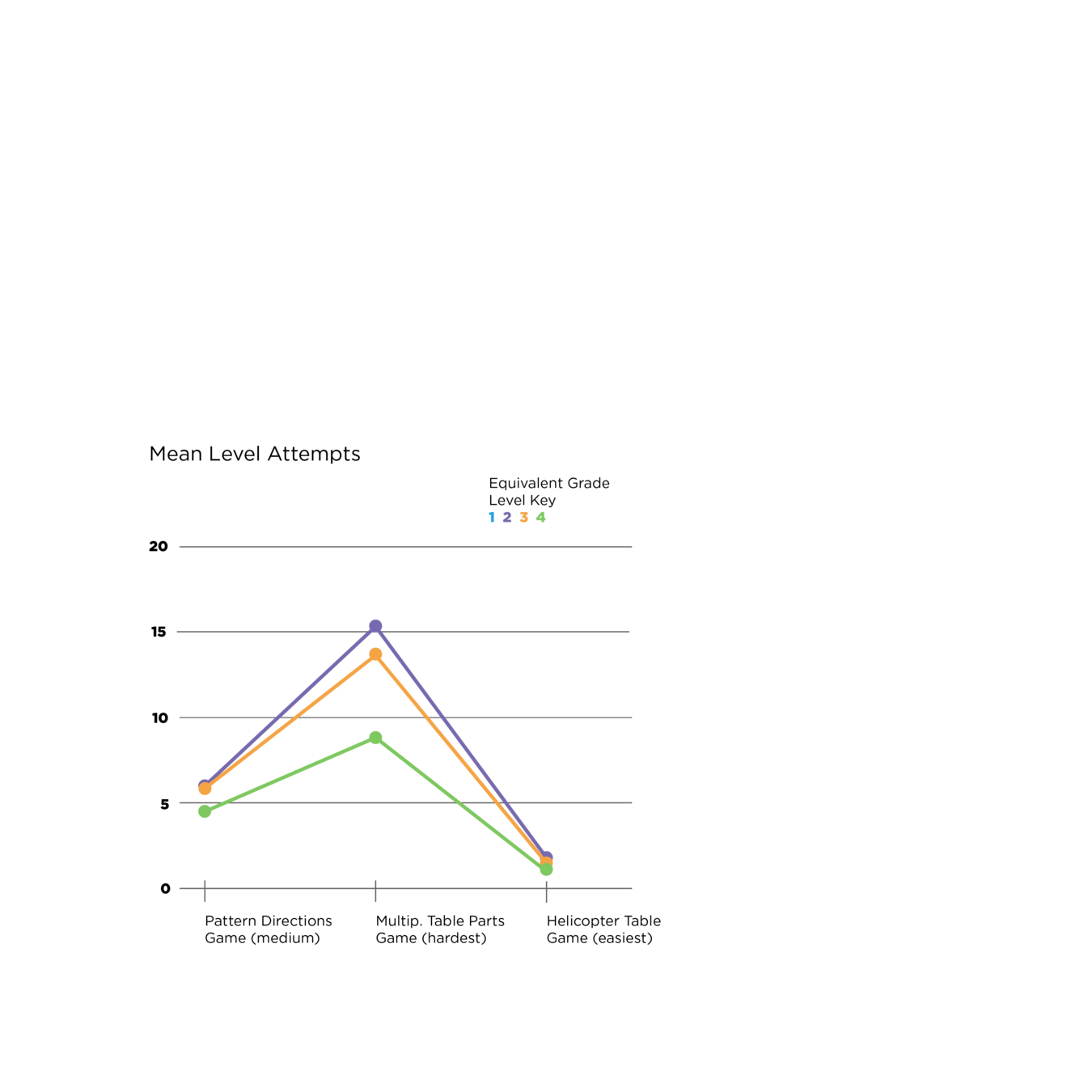
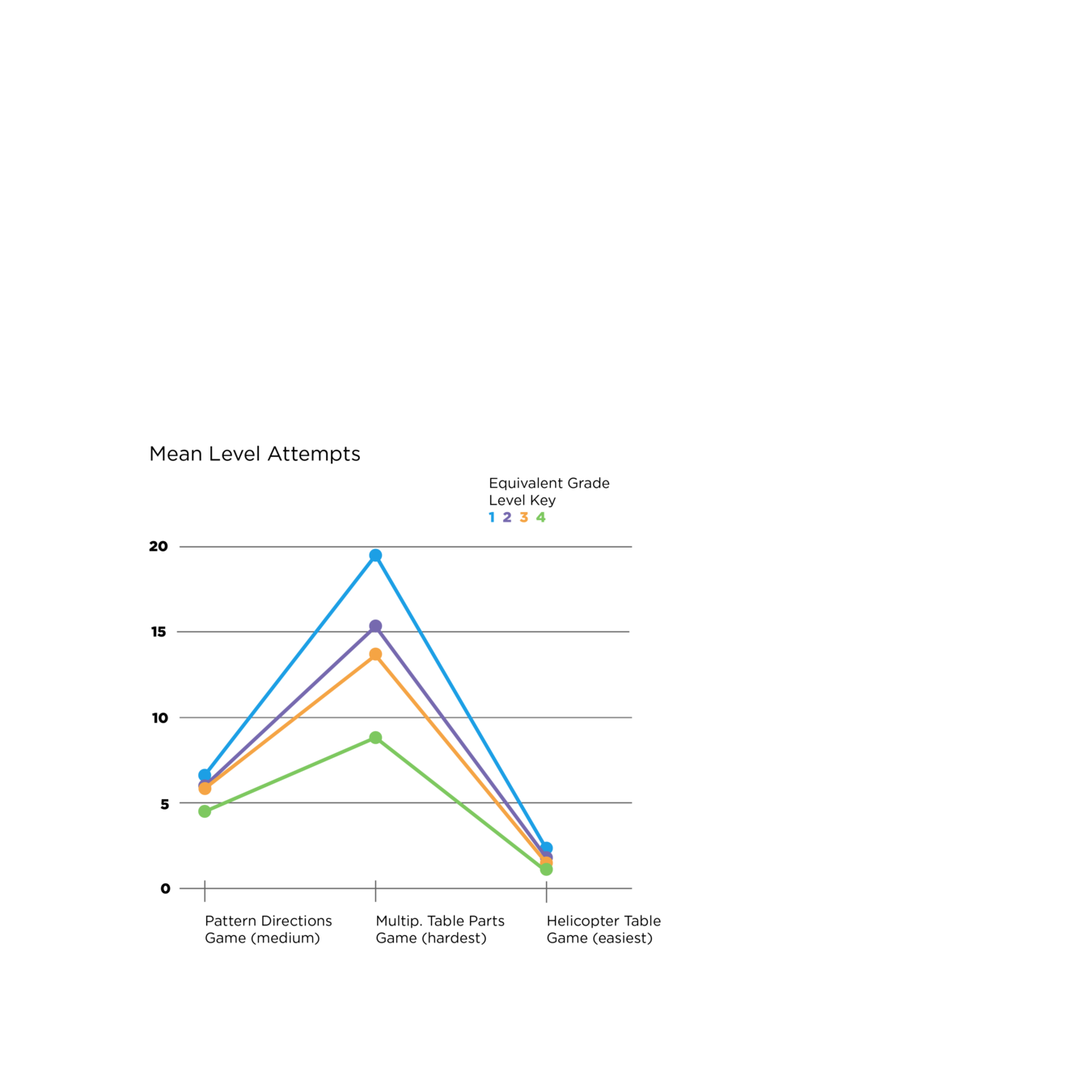
All students were successful on-grade level with ST Math
iReady assessment data
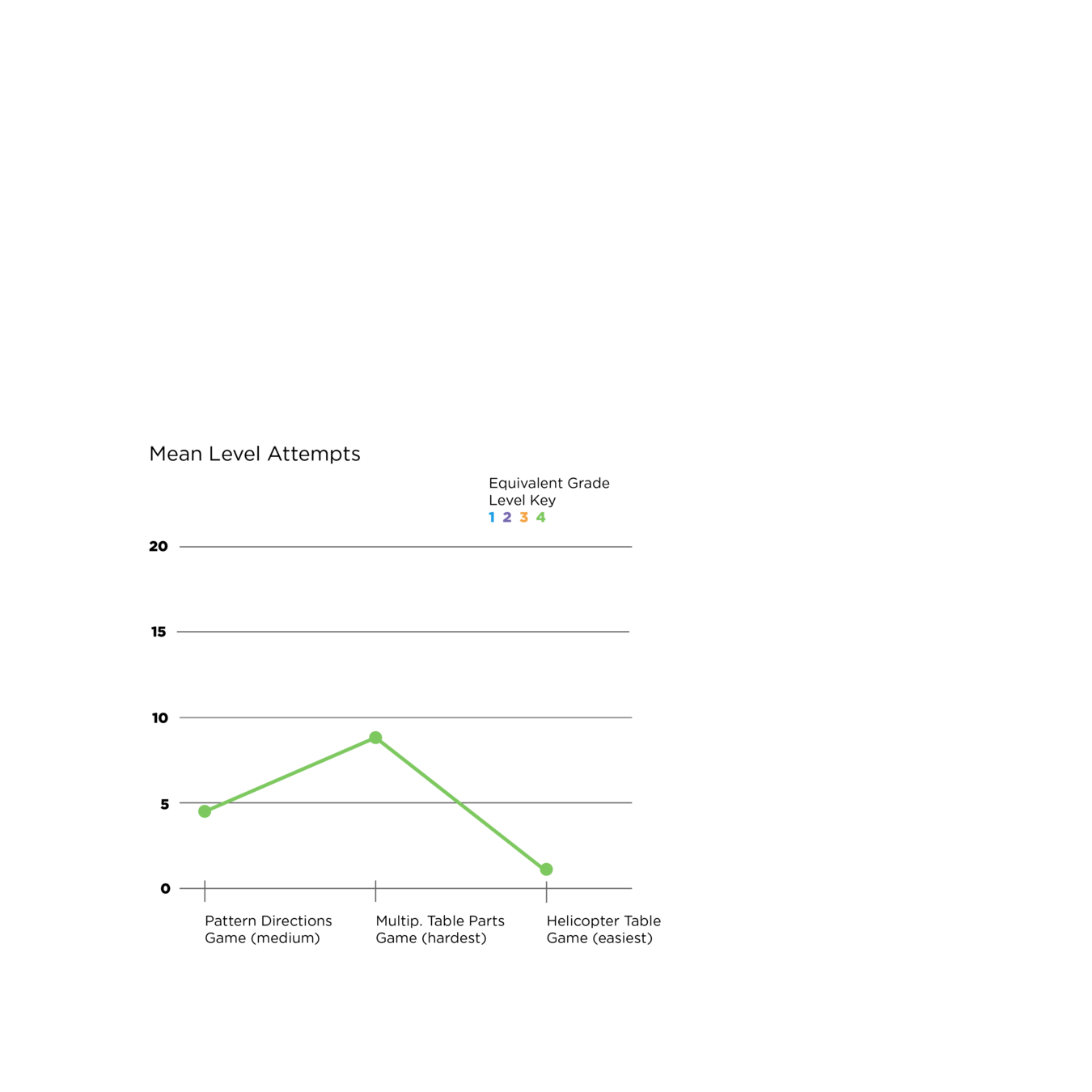
Key
On-grade level
1 grade behind
2 grade levels behind
3 grade levels behind
Mean ST Math Level Attempts
Operations and Algebraic Thinking
4OA.C.5 Generate and Analyze Patterns
What are students saying about ST Math?
JiJi helps me keep trying. When I make mistakes, I learn from it.

Dear JiJi—you’re the best. Your program is amazing.
Thank you for helping me in math. I really like math. It’s so fun.
Students who play ST Math have higher mathematics self-beliefs
ST Math's impact on student self-beliefs is strongest for those students who had lower mathematics achievement scores
ST Math operates through students' self-belief to positively influence achievement
Teomara Rutherford, Allison S. Liu, Arena S. Lam & Katerina Schenke (2020) Impact on mathematics self-beliefs from a mastery-based mathematics software, Journal of Research on Technology in Education

The old way of teaching math was to make you do it like a machine...
The new way is to understand it so you can build the machines!
To ensure that all students are mathematically equipped to solve the world's most challenging problems.
OUR MISSION:



ST Math: The Neuroscience of Deeper Learning (NY)
By Nigel Nisbet
ST Math: The Neuroscience of Deeper Learning (NY)
Conversation Tool Slides