Can you get the penguin across the screen?
!!Math Challenge!!
Can you get the penguin across the screen?
!!Math Challenge!!

Visual to
Symbolic
About MIND
Visualizing
Fractions

Formative
Feedback
Teacher Experience

Results
& Impact

Skills vs.
Schema


How the
Brain Learns

Student Experience

Puzzle Talks
Middle School
Why ST Math?

PreK - 2
3 - 5
6 - 8
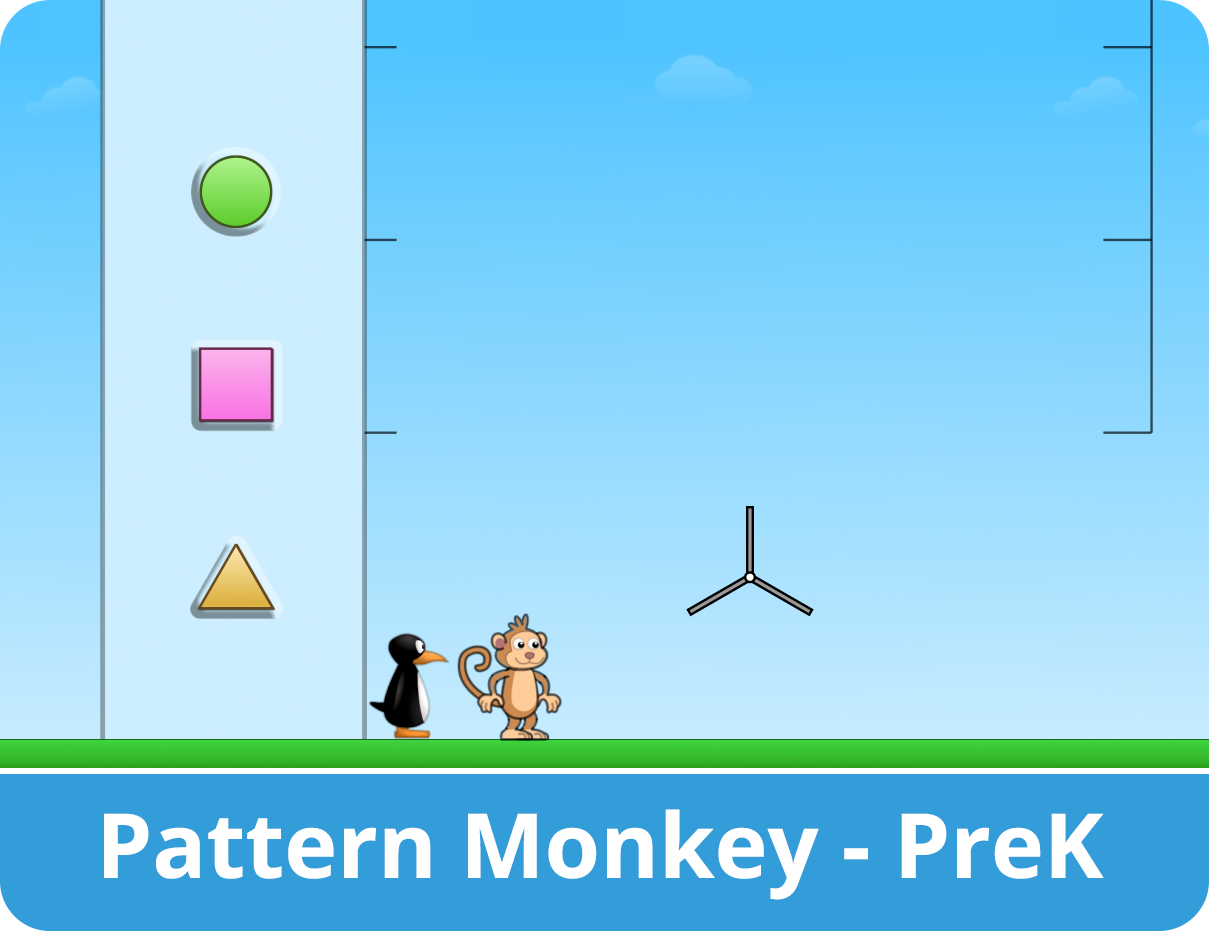
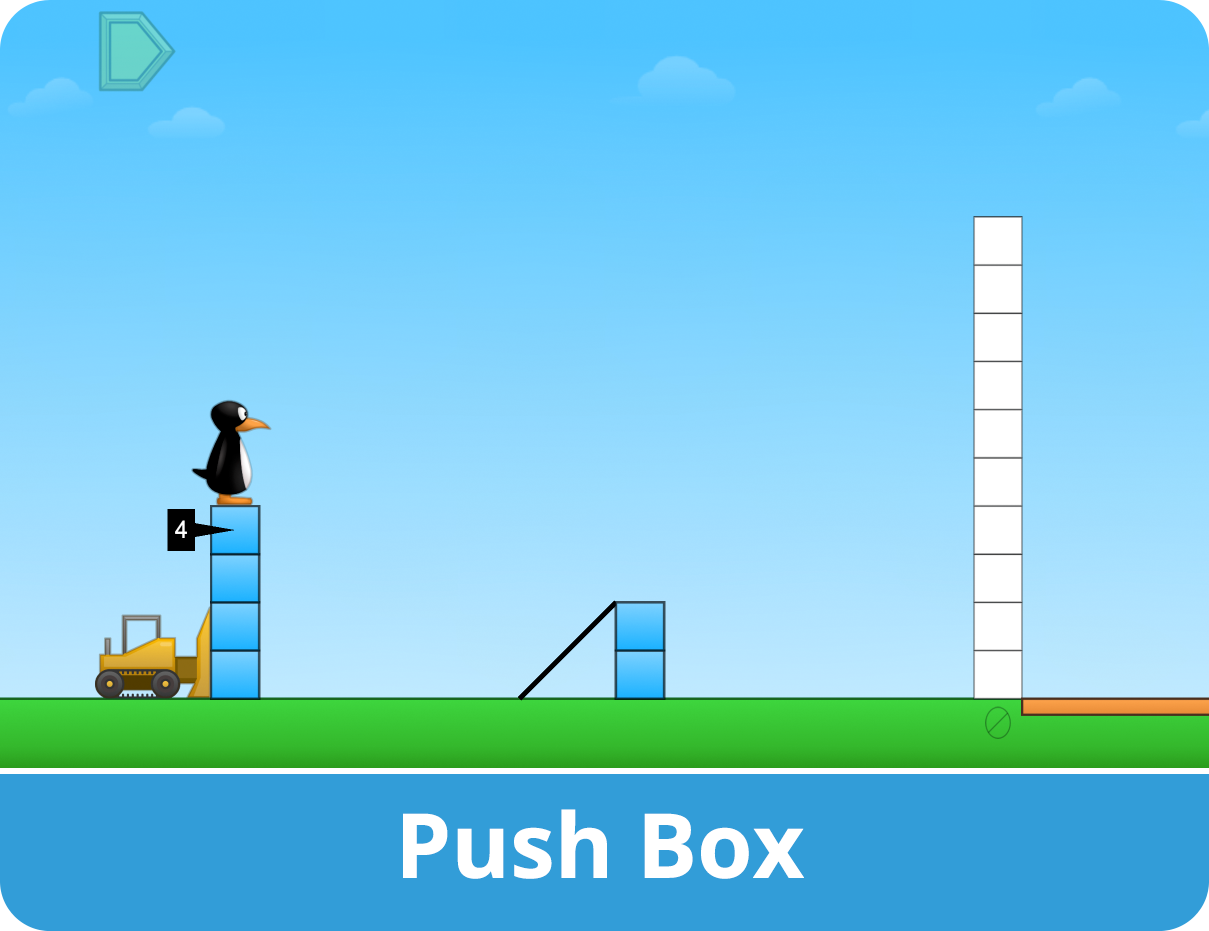
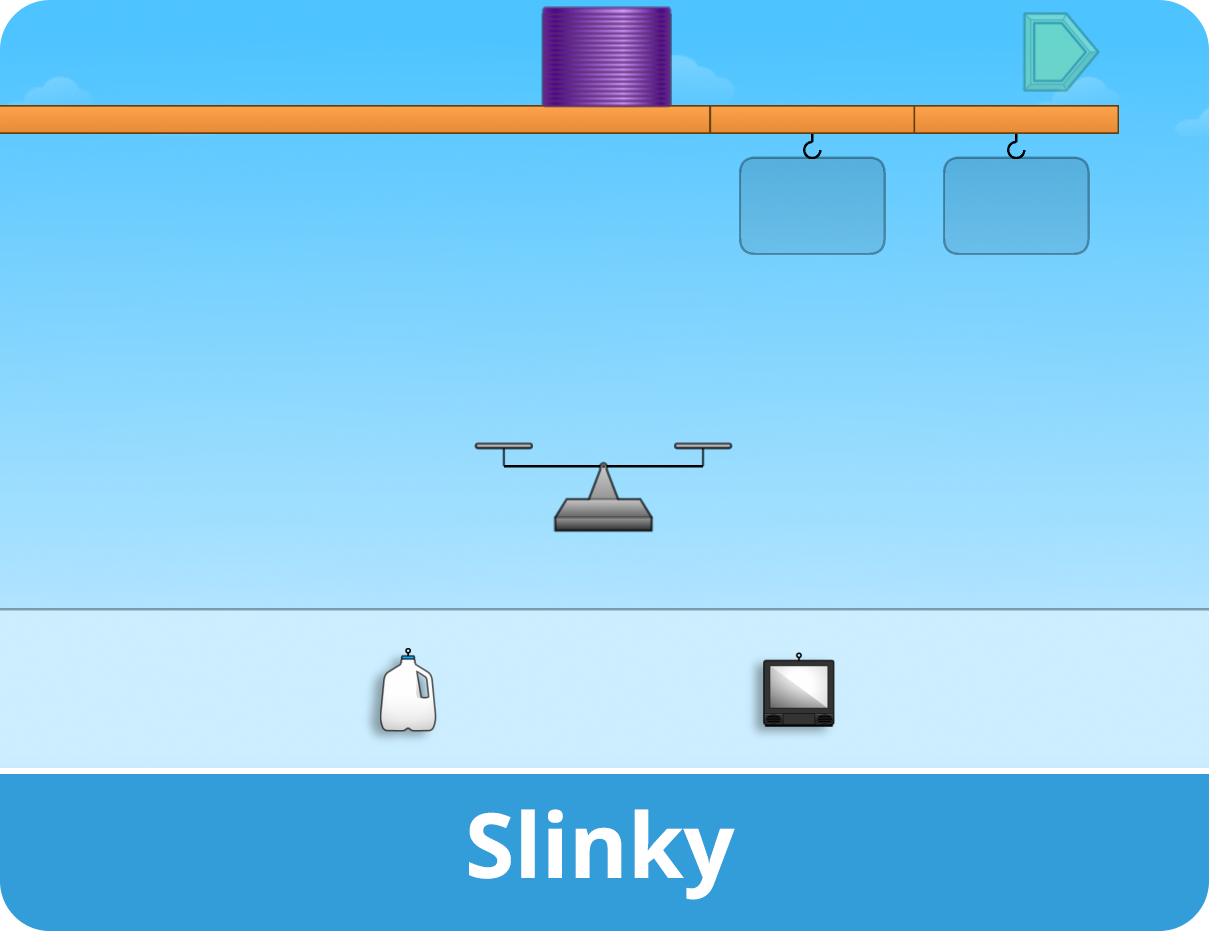
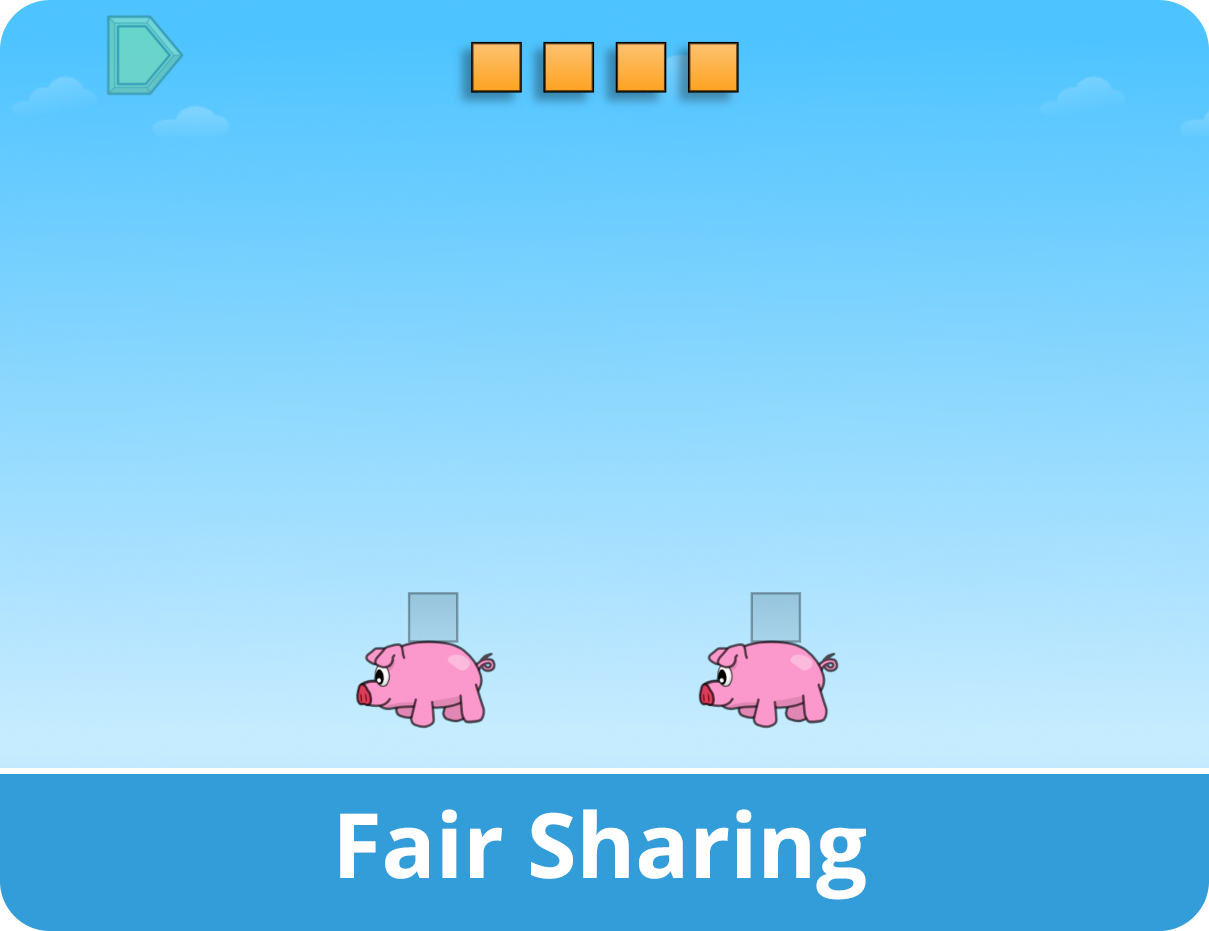
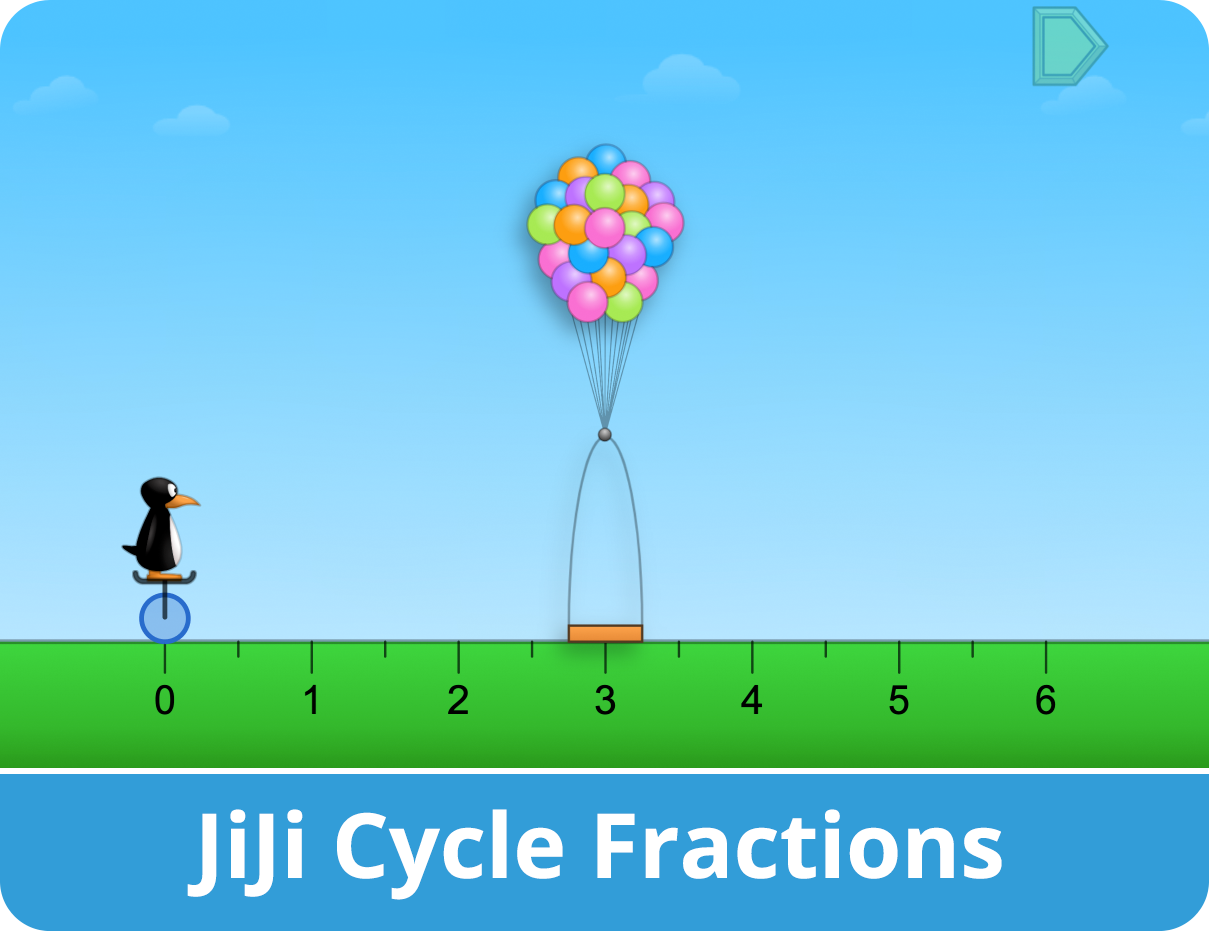
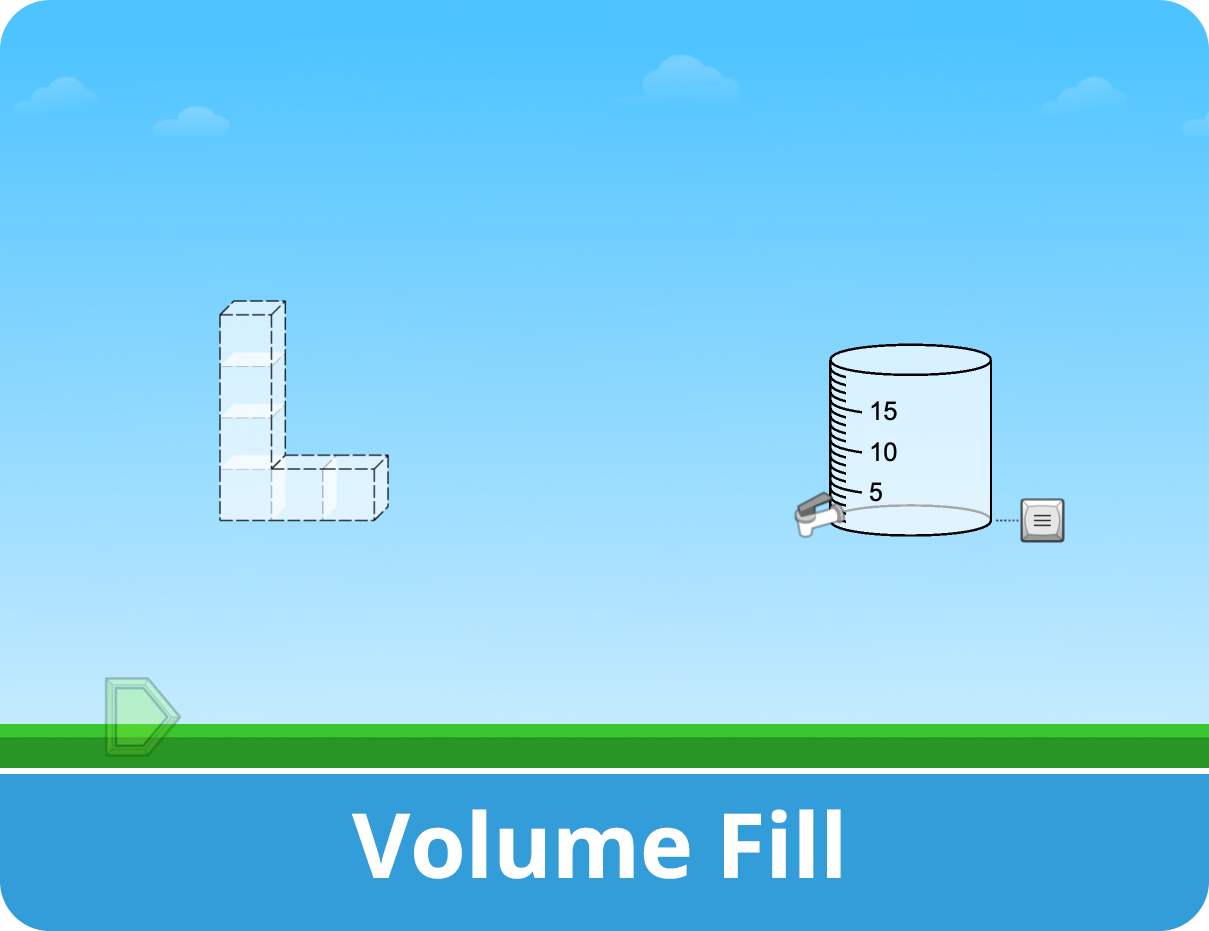
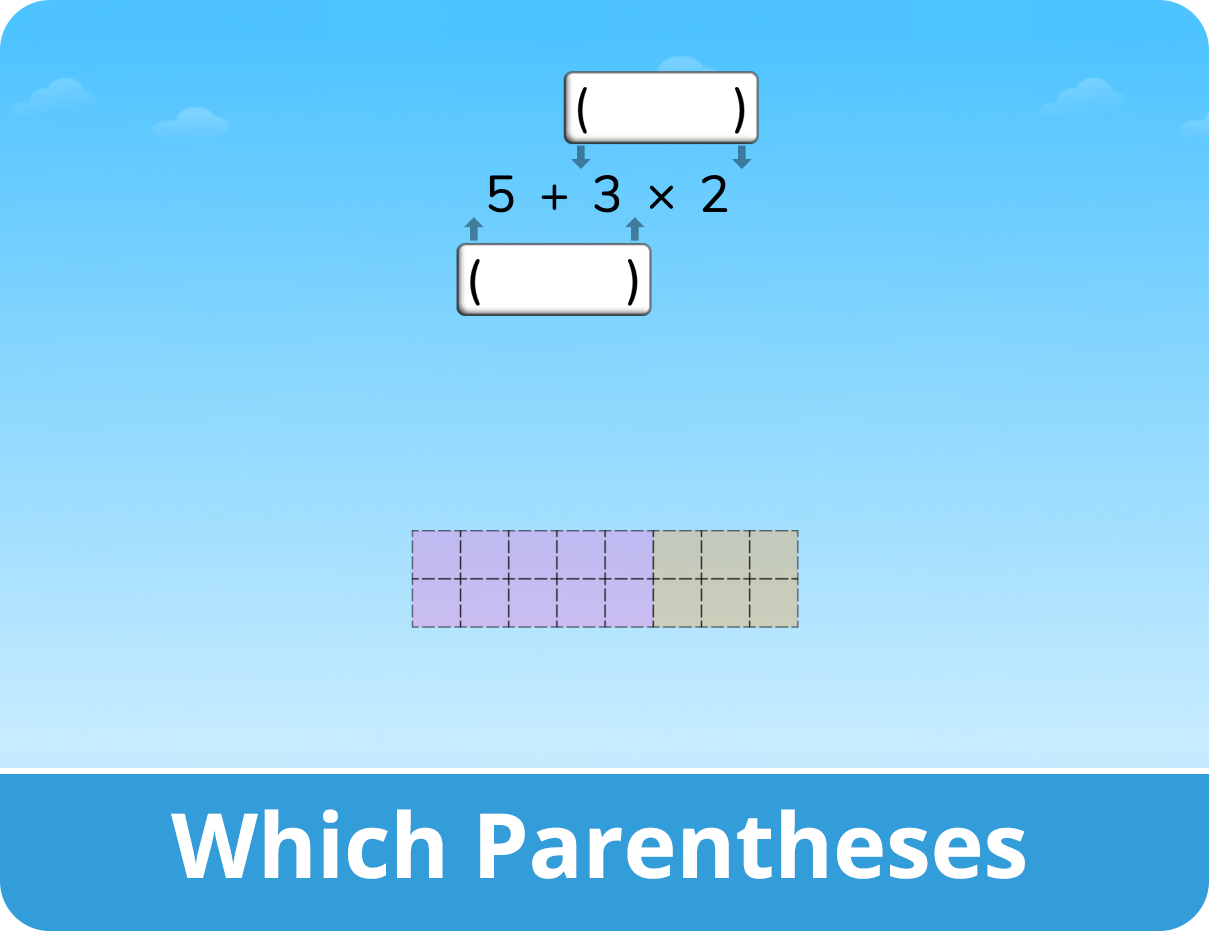
There are approximately 35,000 puzzles in the ST Math (PreK-8) supplemental curriculum. Below are 12 sample ST Math games with 115 puzzles to play.


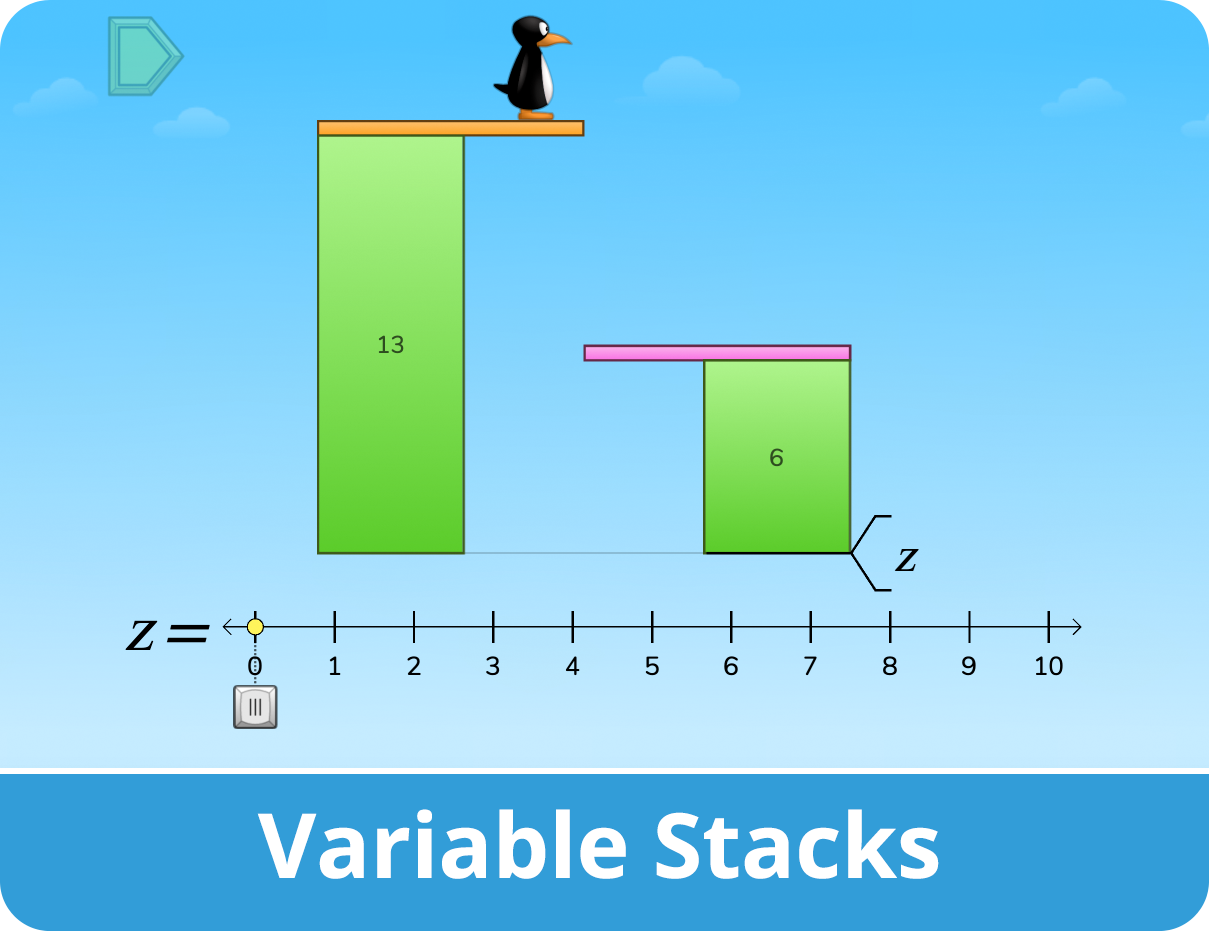
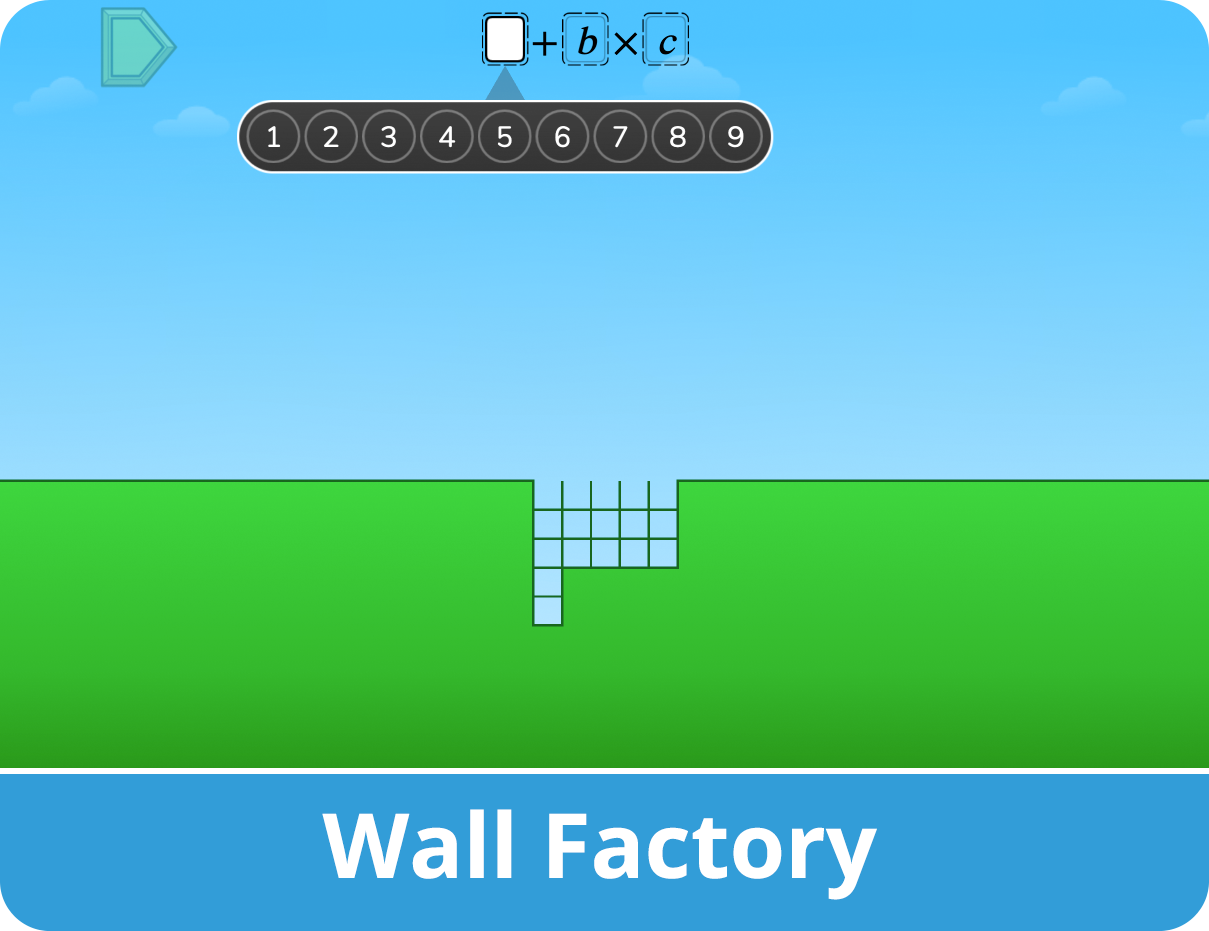
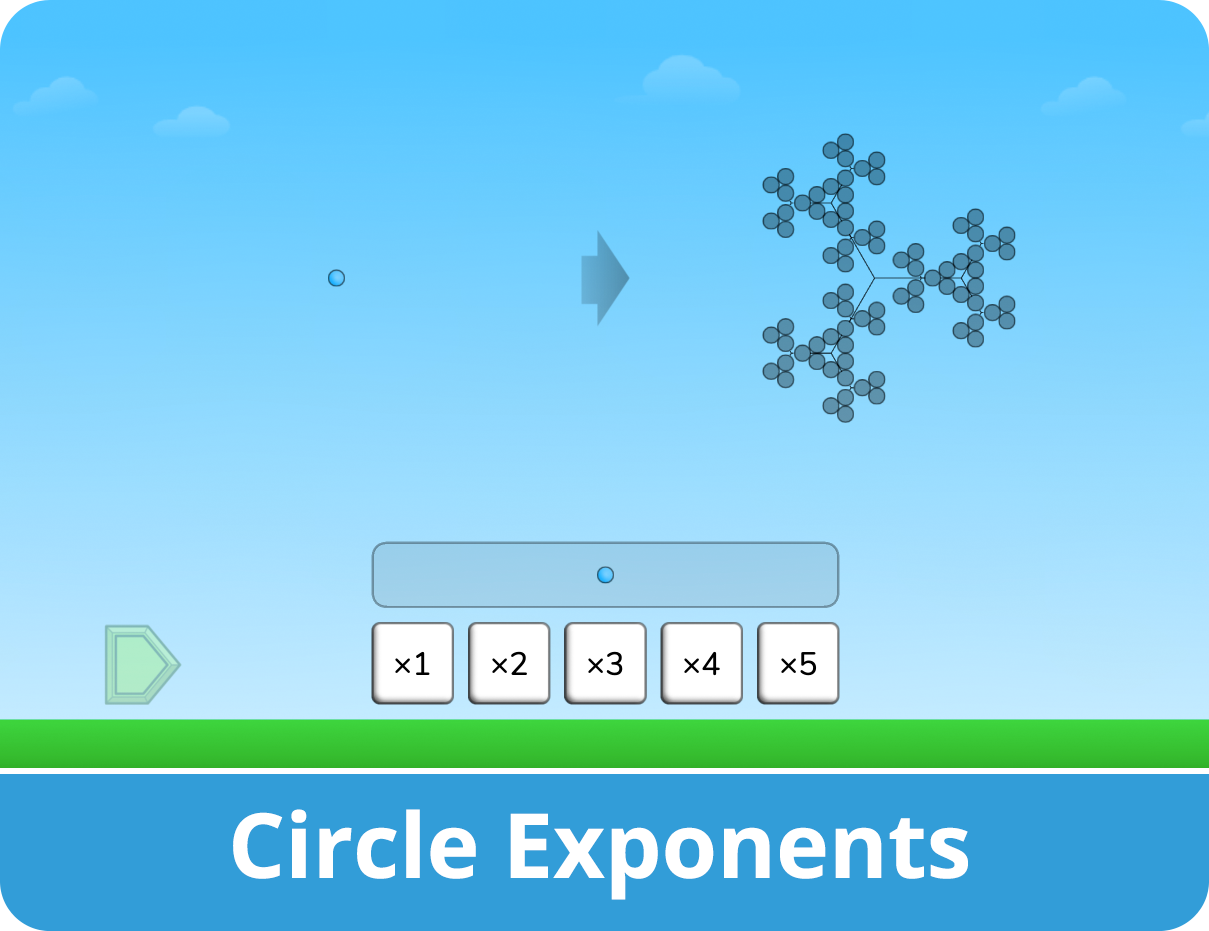
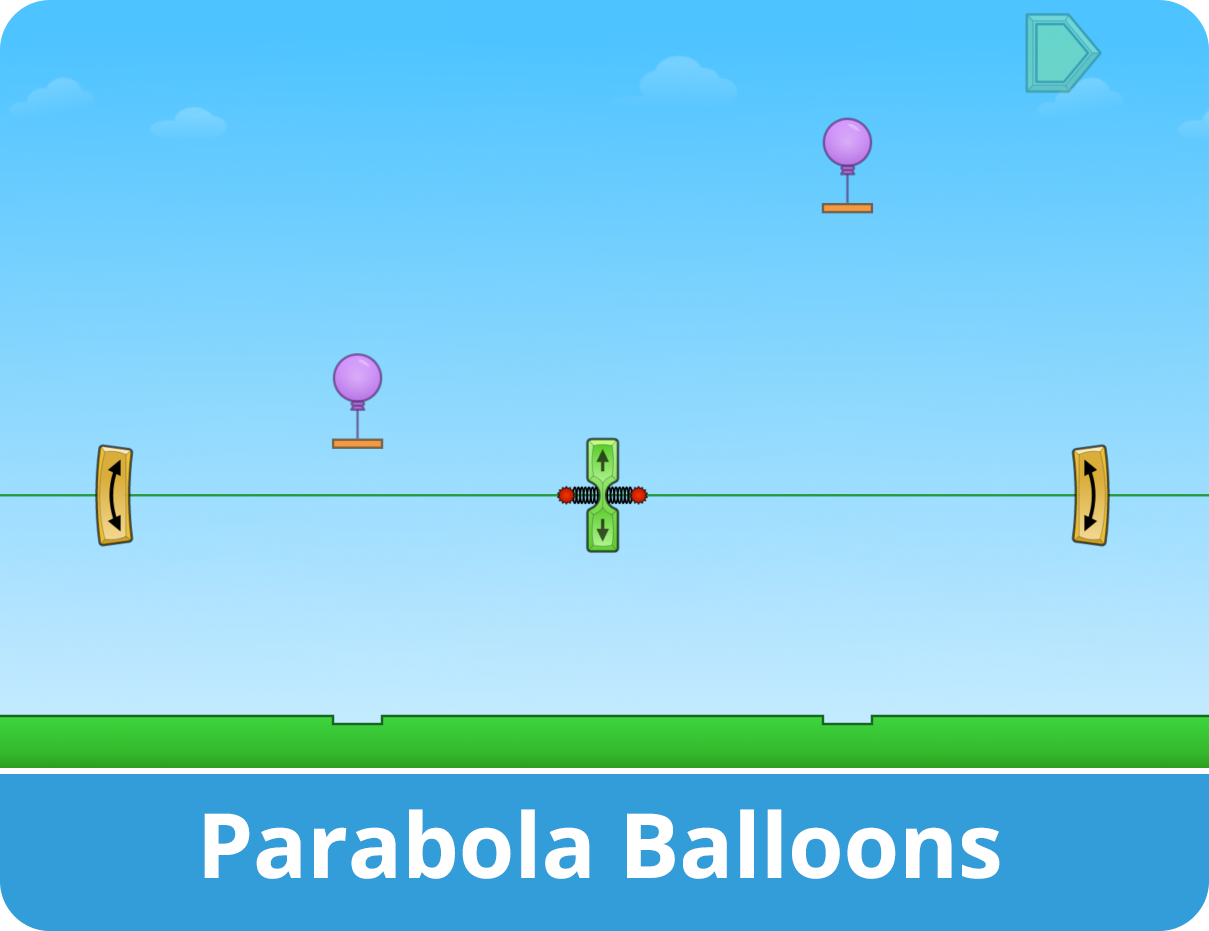

Who is MIND Education?
MIND Education is a nonprofit organization transforming how students understand math through neuroscience-based visual and conceptual learning.

Visual to
Symbolic
About MIND
Visualizing
Fractions
Formative
Feedback
Results
& Impact
Skills vs.
Schema
Puzzle Talks
How the
Brain Learns
Teacher Experience
Student Experience
Middle School
Why ST Math?
What does the ST in ST Math stand for?








How to implement the Perception Action Cycle in the classroom


Visual to
Symbolic
About MIND
Visualizing
Fractions
Formative
Feedback
Results
& Impact
Skills vs.
Schema
Puzzle Talks
How the
Brain Learns
Teacher Experience
Student Experience
Middle School
Why ST Math?
What is Formative Feedback?
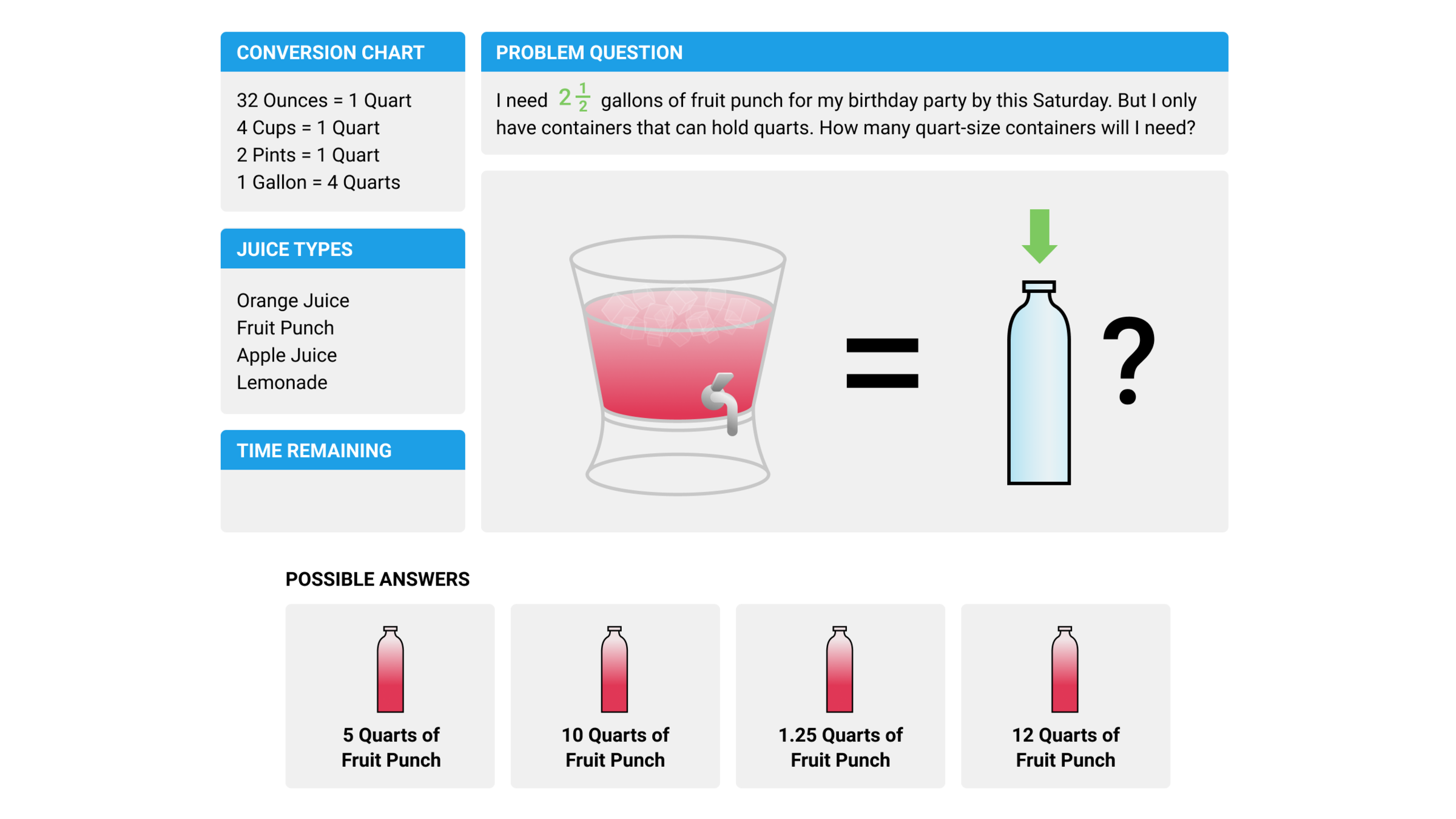


Need a hint?
Need a hint?
Need a hint?

Correct! Great Job!
Visual to
Symbolic
About MIND
Visualizing
Fractions
Formative
Feedback
Results
& Impact
Skills vs.
Schema
Puzzle Talks
How the
Brain Learns
Teacher Experience
Student Experience
Middle School
Why ST Math?
What do visuals give us that symbols alone don't?
Visual to
Symbolic
About MIND
Visualizing
Fractions
Formative
Feedback
Results
& Impact
Skills vs.
Schema
Puzzle Talks
How the
Brain Learns
Teacher Experience
Student Experience
Middle School
Why ST Math?
How does visualizing fractions help understand them?
Estimate the Sum
a. 1
b. 2
c. 19
d. 21
Estimate the Sum
a. 1
b. 2
c. 19
d. 21
Majority of students chose "C" or "D"

Estimate the Sum
+

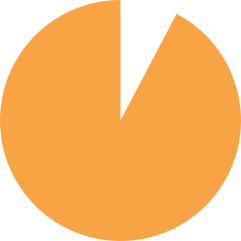

≈ 2
Visual to
Symbolic
About MIND
Visualizing
Fractions
Formative
Feedback
Results
& Impact
Skills vs.
Schema
Puzzle Talks
How the
Brain Learns
Teacher Experience
Student Experience
Middle School
Why ST Math?
What does it mean to truly understand a concept?


Visual to
Symbolic
About MIND
Visualizing
Fractions
Formative
Feedback
Results
& Impact
Skills vs.
Schema
Puzzle Talks
How the
Brain Learns
Teacher Experience
Student Experience
Middle School
Why ST Math?
How can we increase math discourse?
What is a Puzzle Talk?

-
facilitating students’ discussion and listening
-
introducing new concepts, vocabulary and encouraging ideas
-
working with whole group or small groups

Students
Teachers
-
engaging in mathematical discourse to solve problems
-
connecting ideas, revising thinking, and testing them
New & Enhanced ST Math Puzzle Talks
-
2 targeted instructional goals
-
Deepen conceptual understanding
-
Develop student math discourse and vocabulary

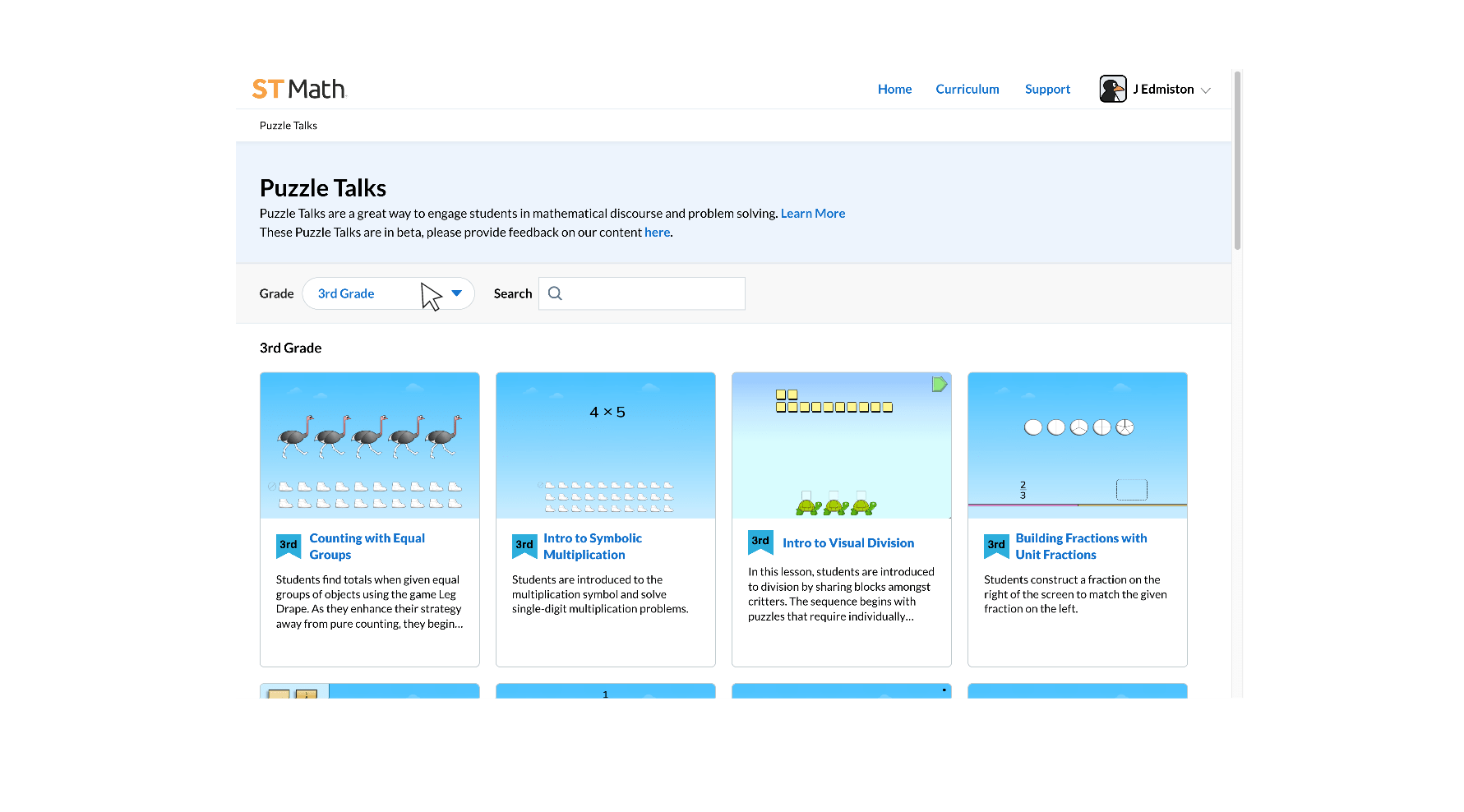
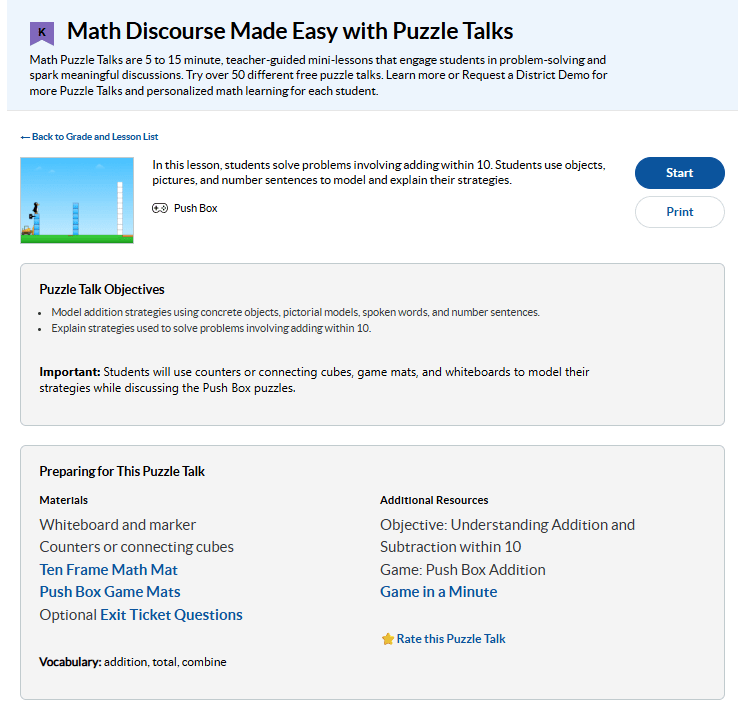
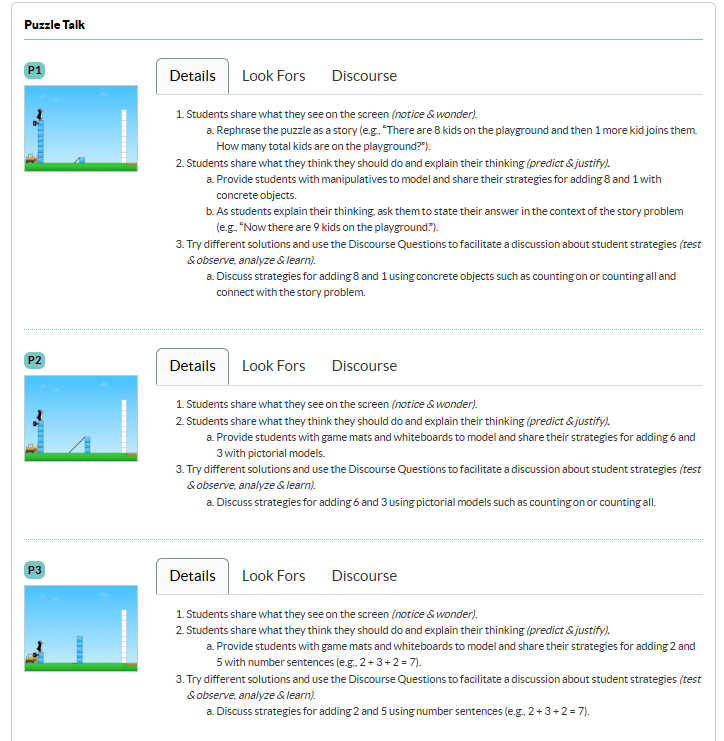
ST Math Puzzle Talks
-
Instructional flexibility
-
Launch a lesson
-
Review a topic
-
Use as an instructional routine or station
-
Use to differentiate
What does a puzzle talk look like? Sound like?
-
facilitating students’ discussion and listening
-
introducing vocabulary and encouraging ideas
Students
Teachers
-
engaging in mathematical discourse by talking to one another
-
connecting ideas, revising thinking, and testing them
Visual to
Symbolic
About MIND
Visualizing
Fractions
Formative
Feedback
Results
& Impact
Skills vs.
Schema
How the
Brain Learns
Puzzle Talks
Teacher Experience
Student Experience
Middle School
Why ST Math?
What does it take to keep students on grade level?
High Ceiling
Low Floor
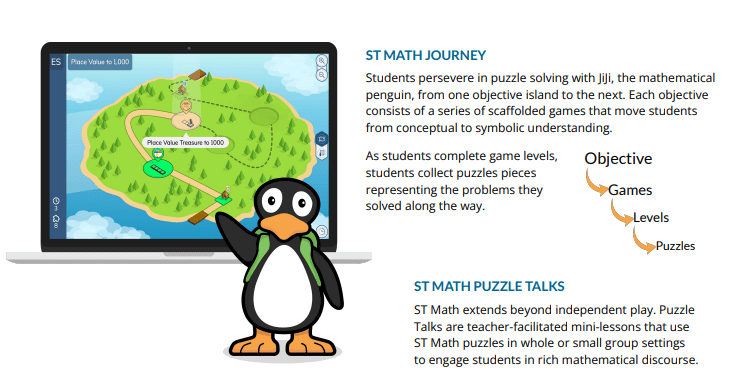
Keeping Students on Grade Level


Visual to
Symbolic
About MIND
Visualizing
Fractions
Formative
Feedback
Results
& Impact
Skills vs.
Schema
Puzzle Talks
How the
Brain Learns
Teacher Experience
Student Experience
Middle School
Why ST Math?
How can data inform your instruction?
Teachers can...
- Monitor individual student and class ST Math Journey progress
- Assign objectives to individuals, select small groups, and whole class
- Use the data to determine intervention and small group instruction
- Introduce new concepts and academic vocabulary with Puzzle Talks
- Align ST Math activities to core curriculum scope and sequence
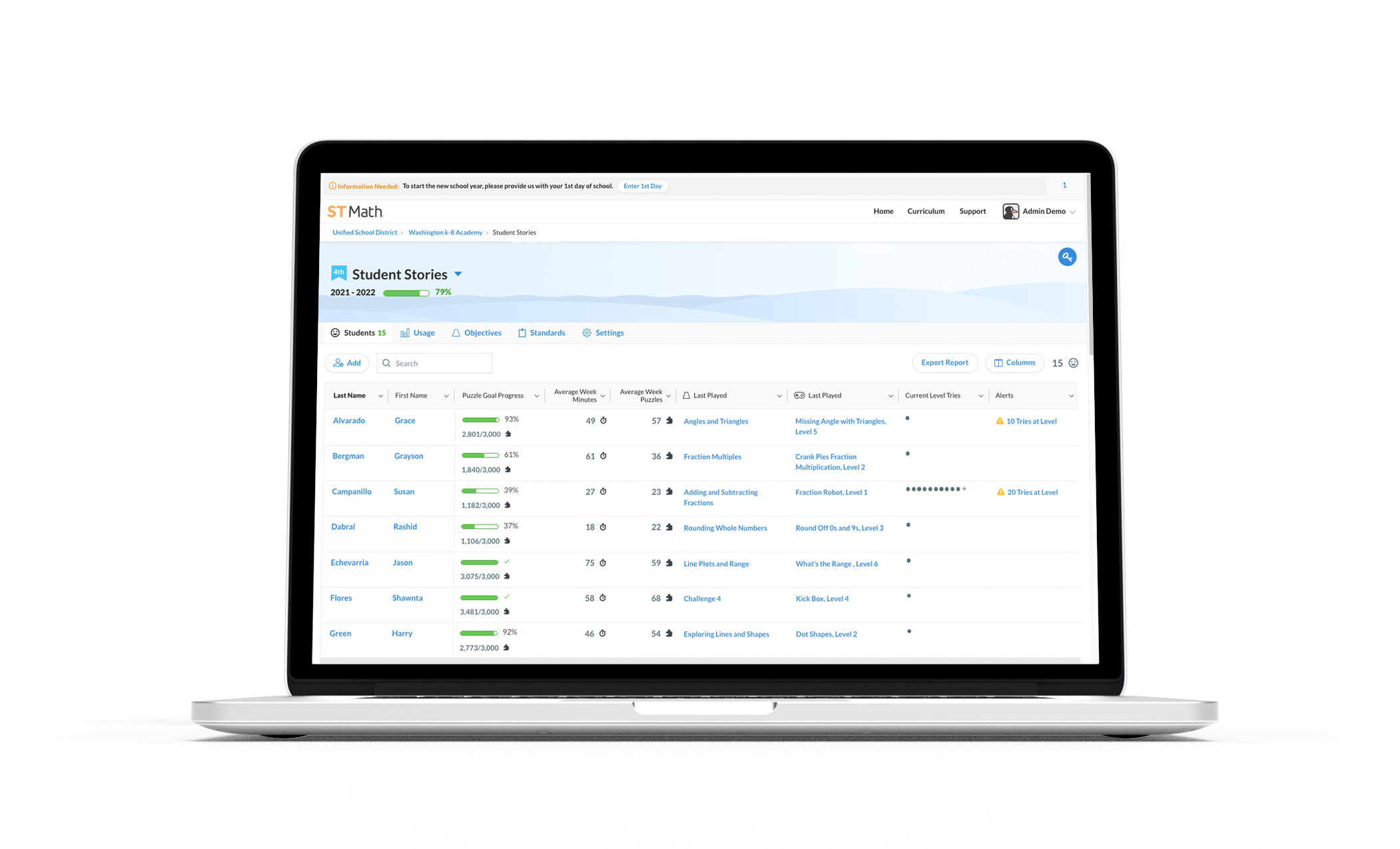
Teacher Dashboard
Visual to
Symbolic
About MIND
Visualizing
Fractions
Formative
Feedback
Results
& Impact
Skills vs.
Schema
Puzzle Talks
How the
Brain Learns
Teacher Experience
Student Experience
Middle School
Why ST Math?
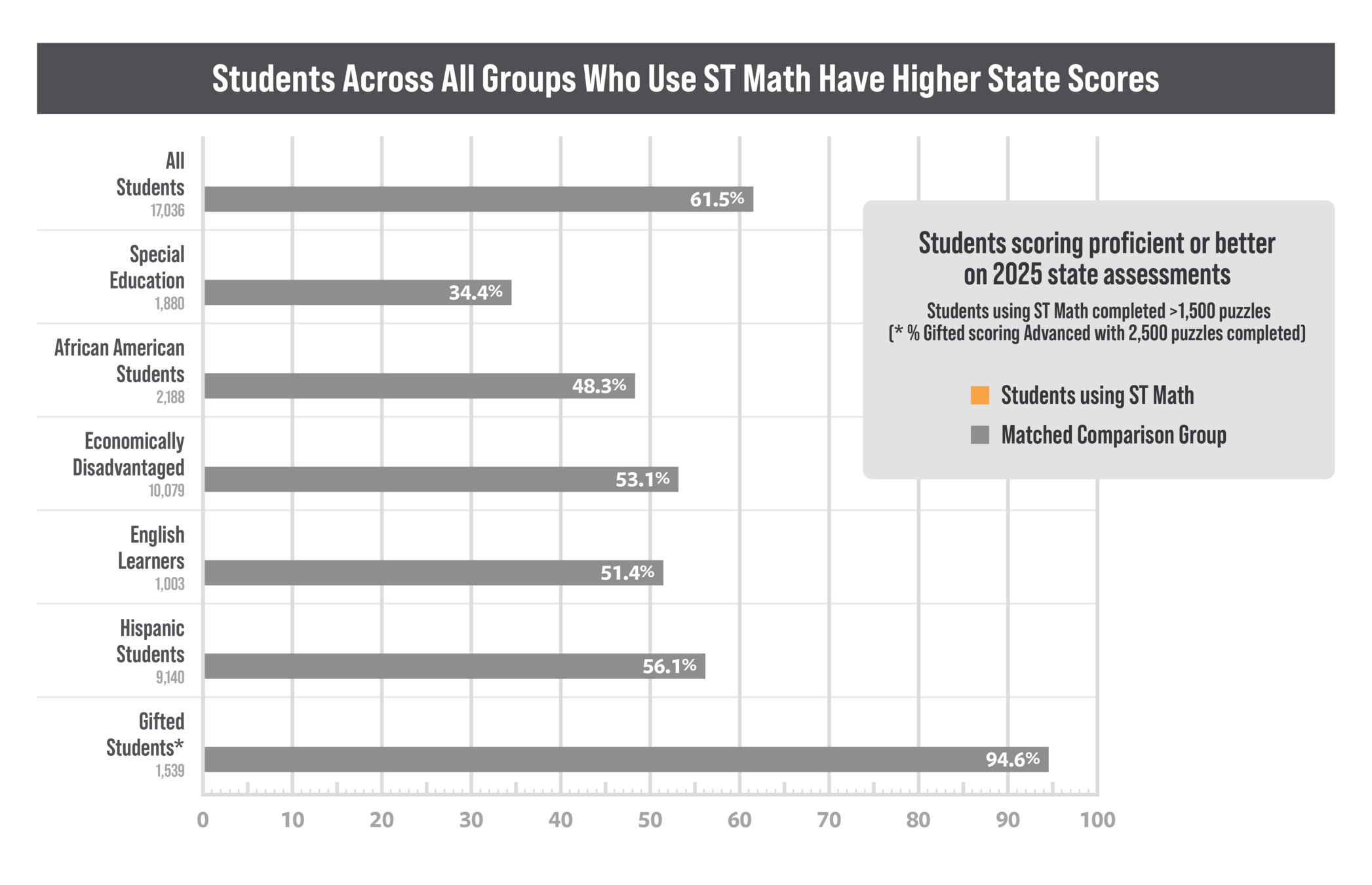
What would you expect to see in the data, if your math program is effective?
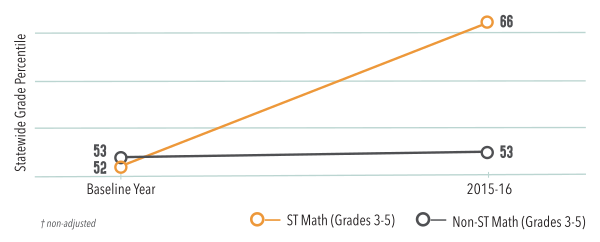

Third Party Validation
A WestEd study found schools that consistently used ST Math outgrew similar schools in statewide rank by 14 percentile points.†

One year later
Third Party Validation
A 2019 WestEd study found schools that consistently used ST Math outgrew similar schools in statewide rank by 14 percentile points.†
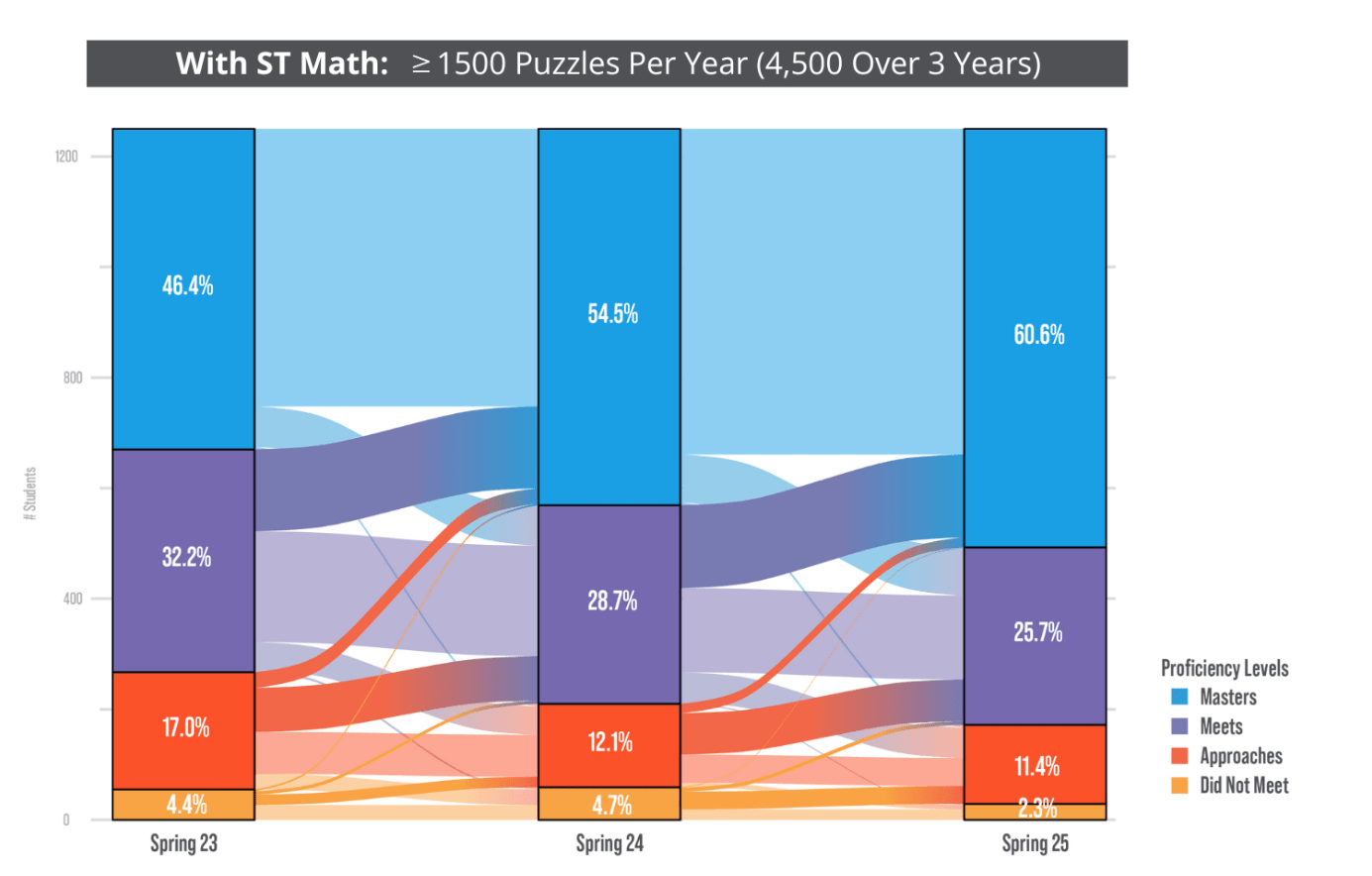
Consistent Data Across Multiple Years
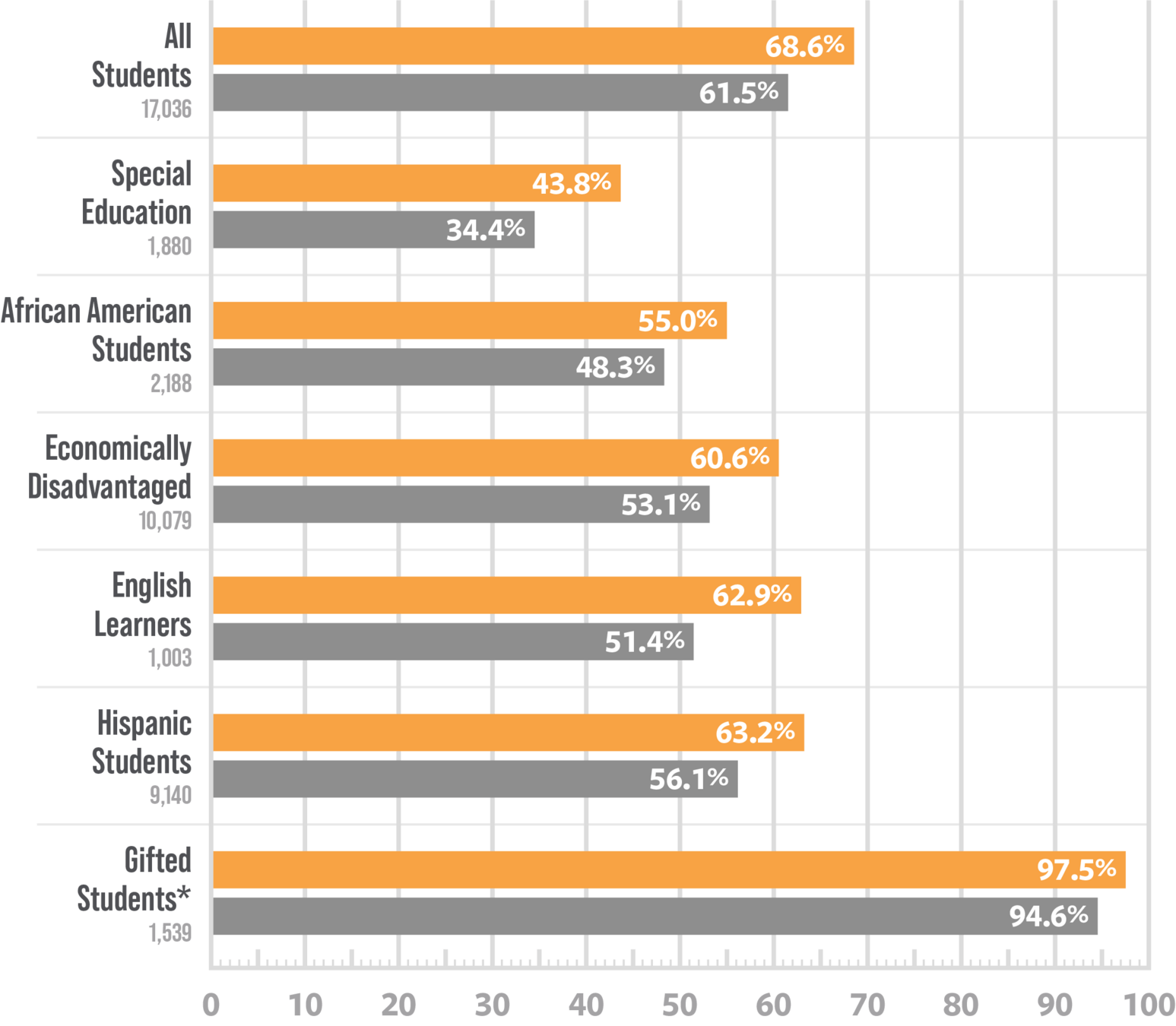
2025
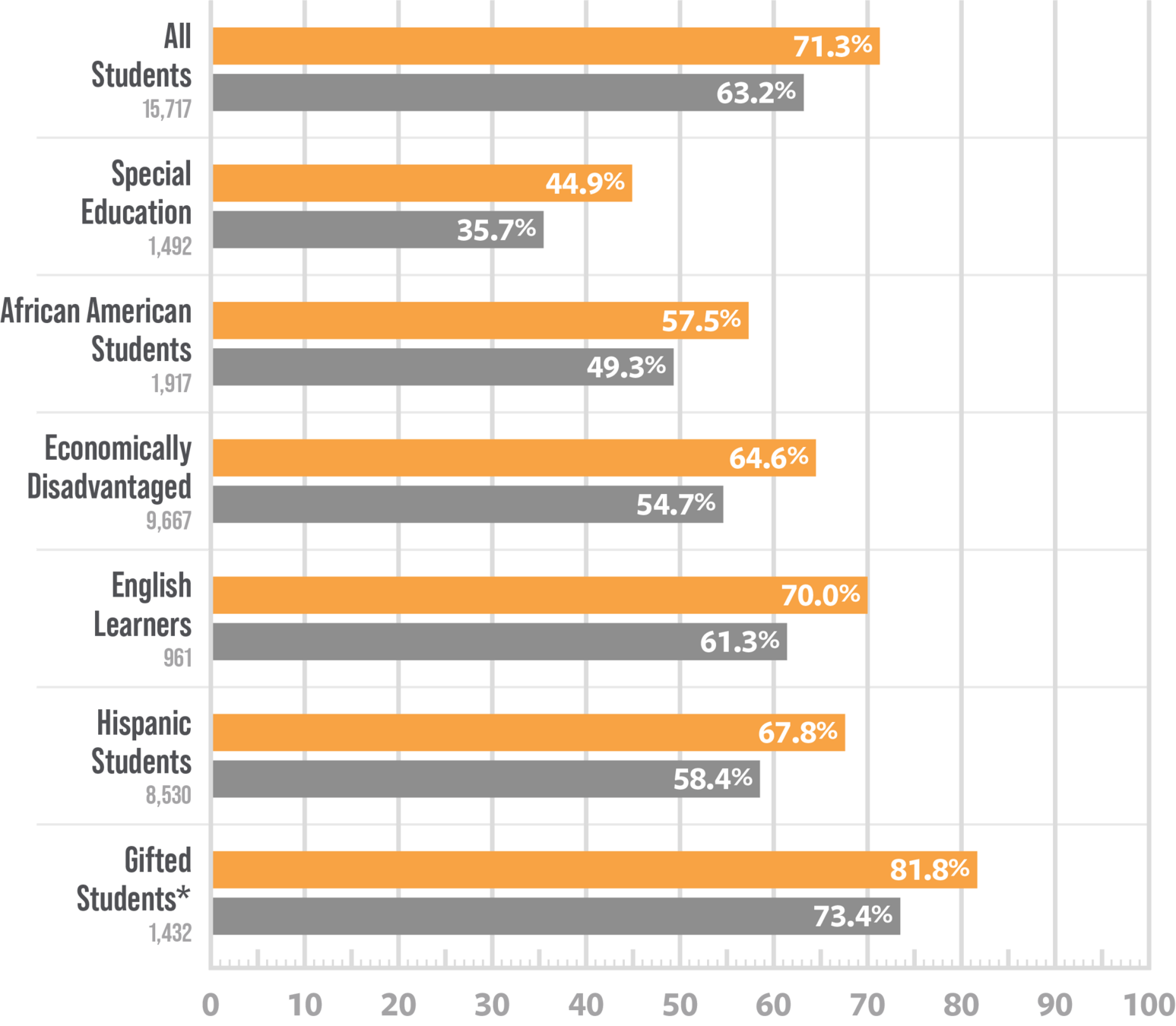
2024
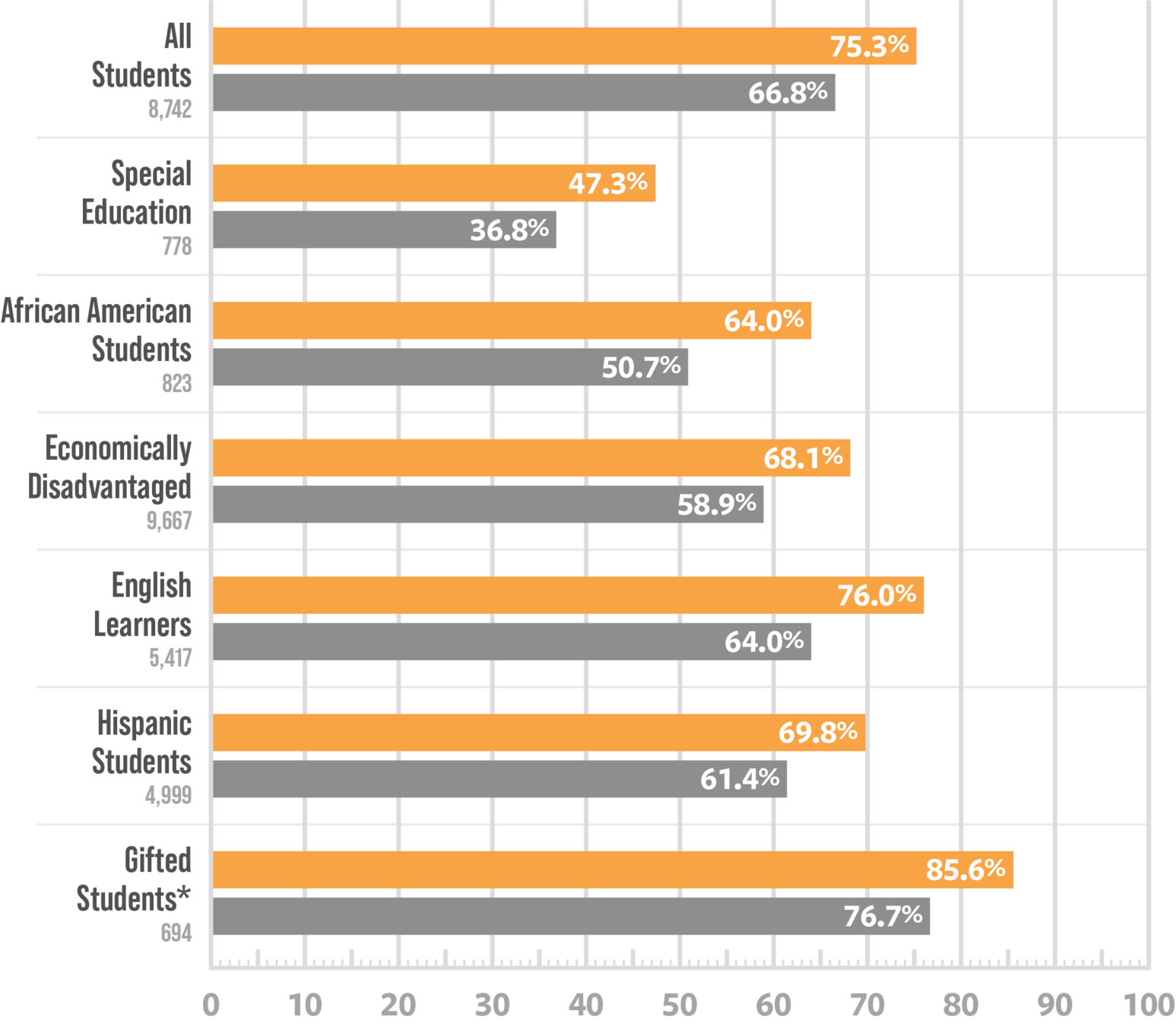
2023
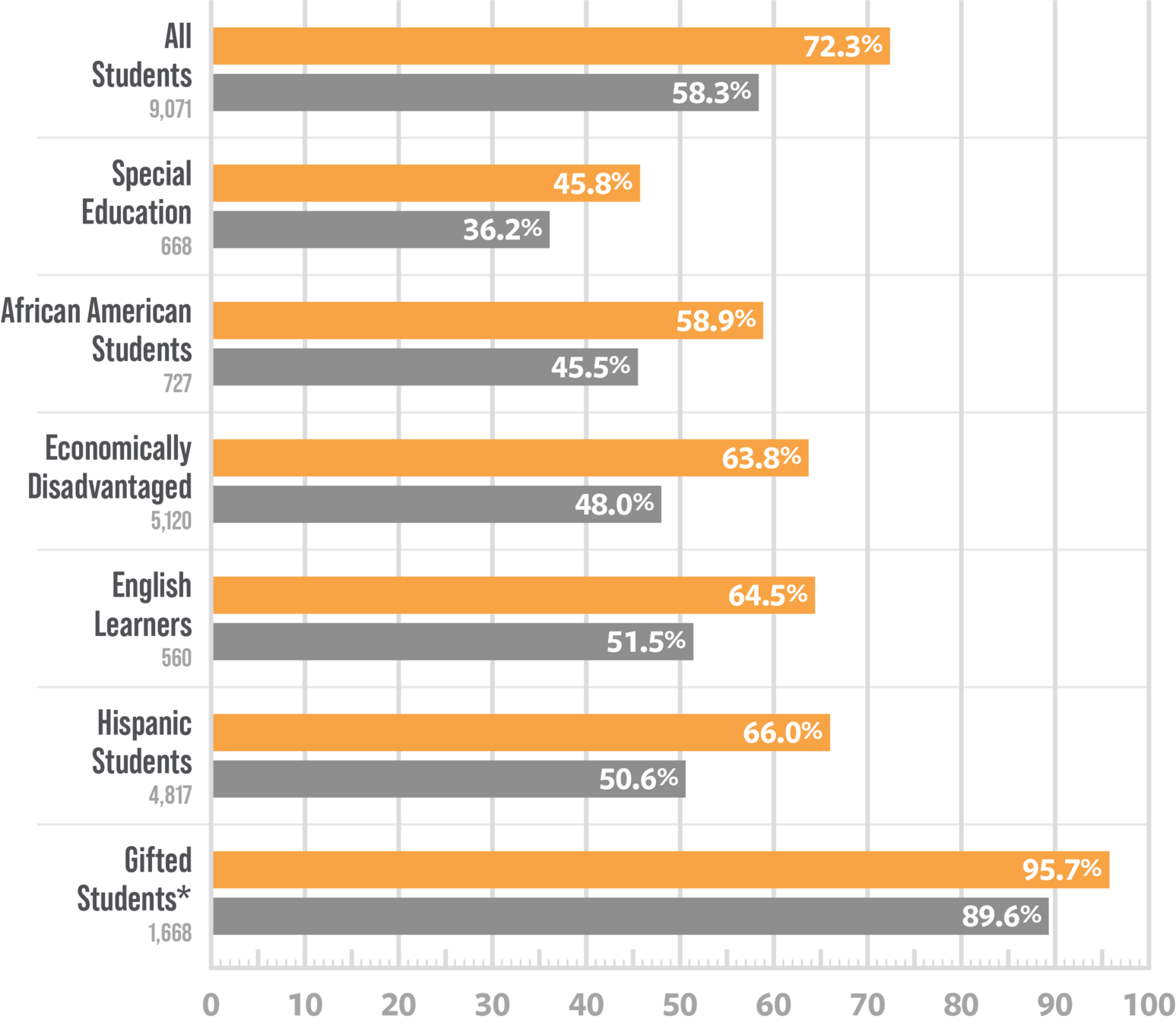
2022
What are students saying about ST Math?
JiJi helps me keep trying. When I make mistakes, I learn from it.

Dear JiJi—you’re the best. Your program is amazing.
Thank you for helping me in math. I really like math. It’s so fun.
Students who play ST Math have higher mathematics self-beliefs
ST Math's impact on student self-beliefs is strongest for those students who had lower mathematics achievement scores
ST Math operates through students' self-belief to positively influence achievement
Teomara Rutherford, Allison S. Liu, Arena S. Lam & Katerina Schenke (2020) Impact on mathematics self-beliefs from a mastery-based mathematics software, Journal of Research on Technology in Education
Visual to
Symbolic
About MIND
Visualizing
Fractions
Formative
Feedback
Results
& Impact
Skills vs.
Schema
Student
Discourse
How the
Brain Learns
Teacher Experience
Student Experience
Middle School
Why ST Math?
Do Middle School students still need to understand the why behind the math?
Let's re-imagine what a math program can do!
-
Introduce Ratios
Students learn that a ratio compares two quantities (part-to-part or part-to-whole). Use visuals and real contexts. -
Equivalent Ratios
Students generate equivalent ratios by scaling quantities. Use ratio tables, tape diagrams, and double number lines. -
Rates and Unit Rates
Introduce rates as ratios with different units (e.g., miles per hour). Students find unit rates. -
Solve Ratio Problems
Apply ratio reasoning using tables, diagrams, and scaling in real-world contexts (recipes, pricing, maps). -
Understand Proportions
Define a proportion as an equation showing two ratios are equal. -
Solve Proportion Problems Use multiplicative reasoning and eventually equations to solve for unknown values.
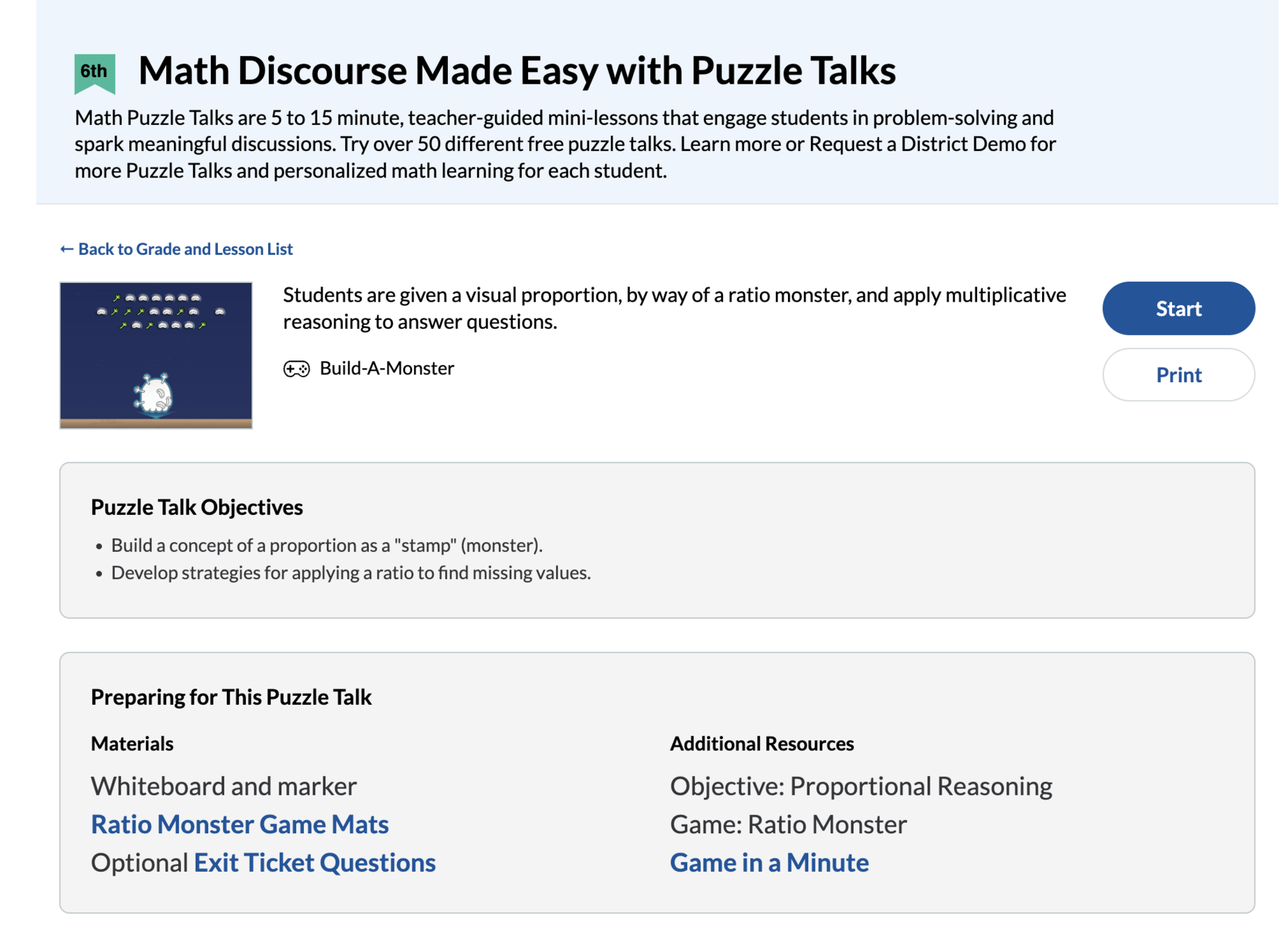
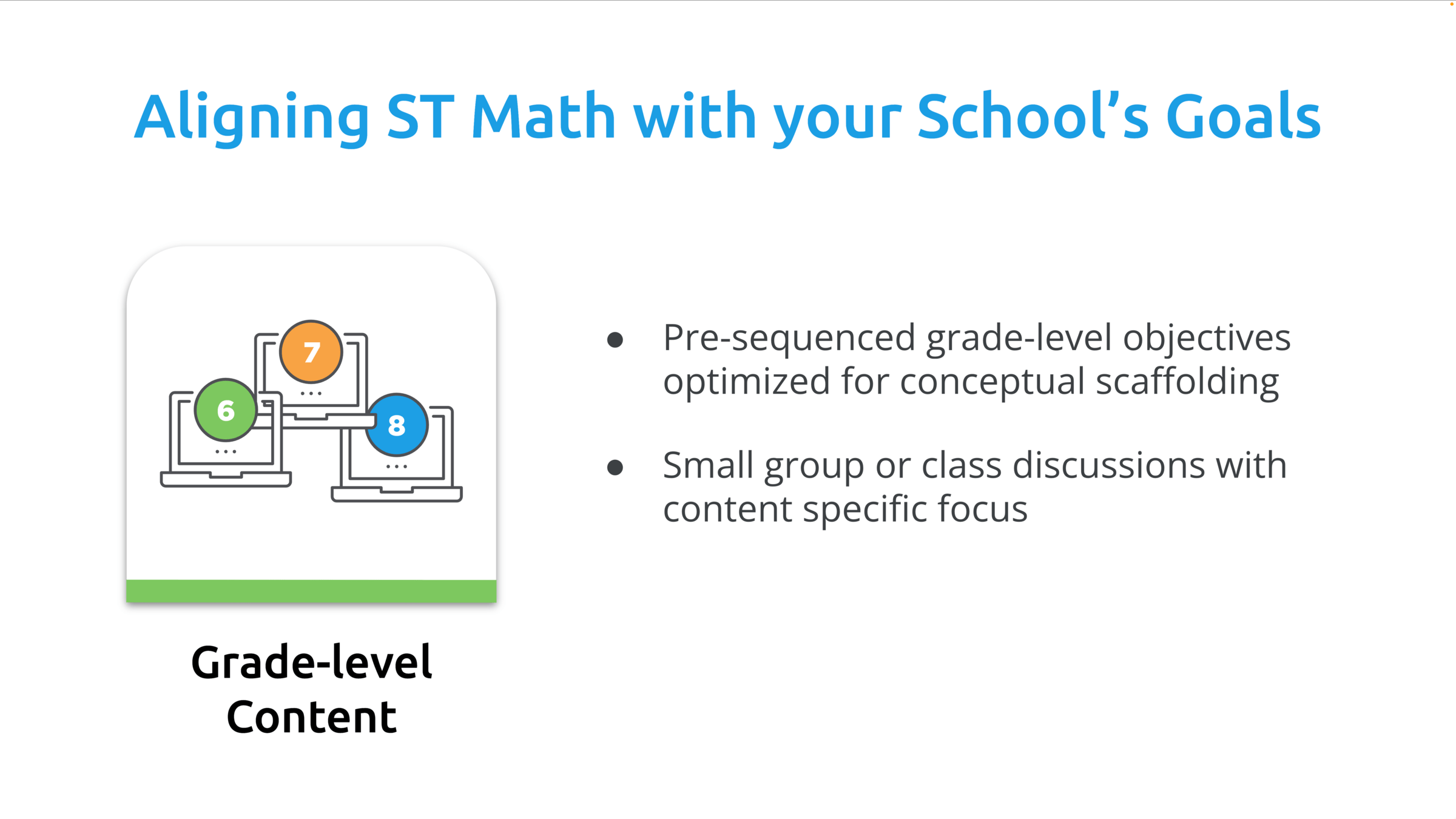
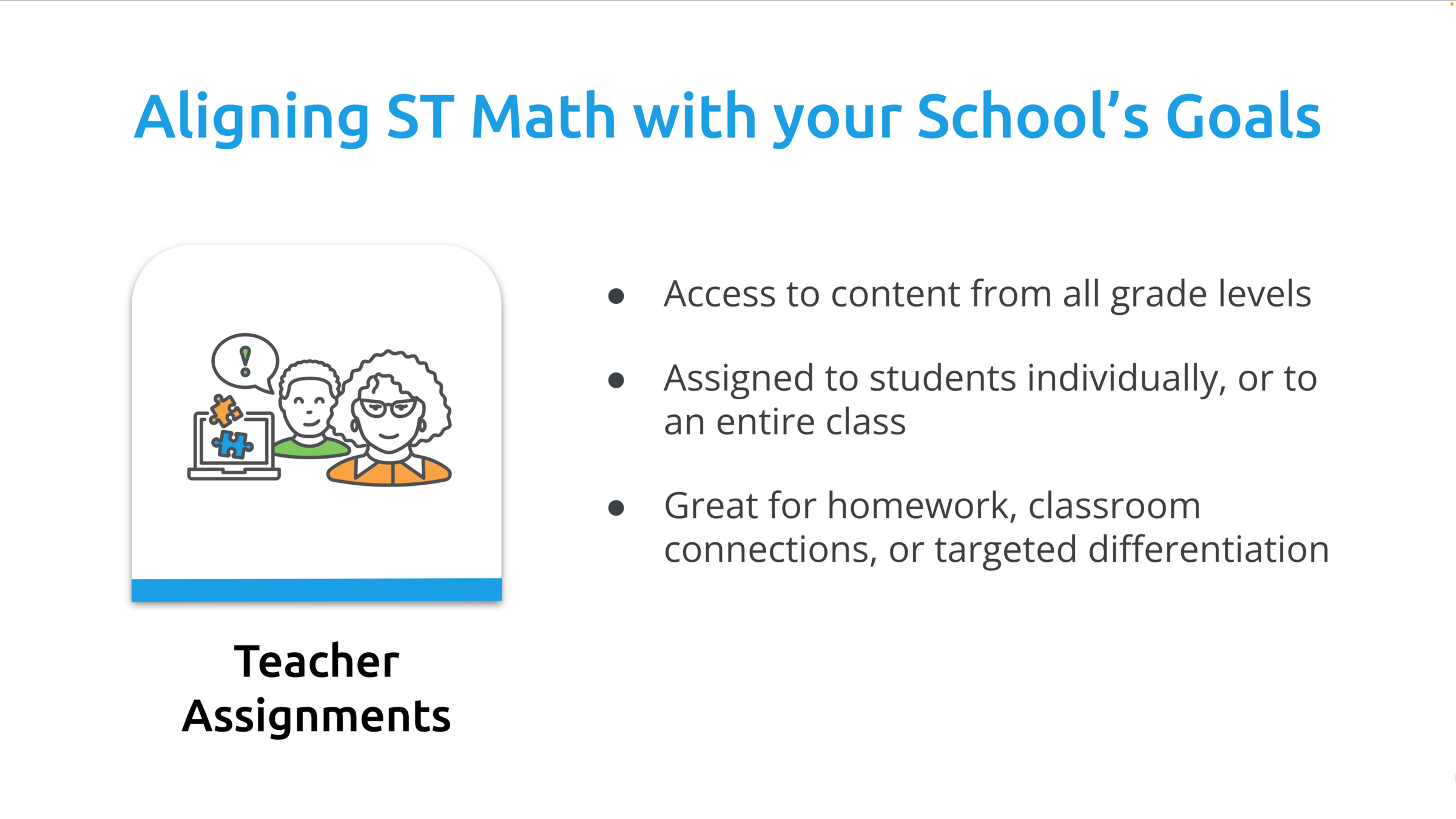
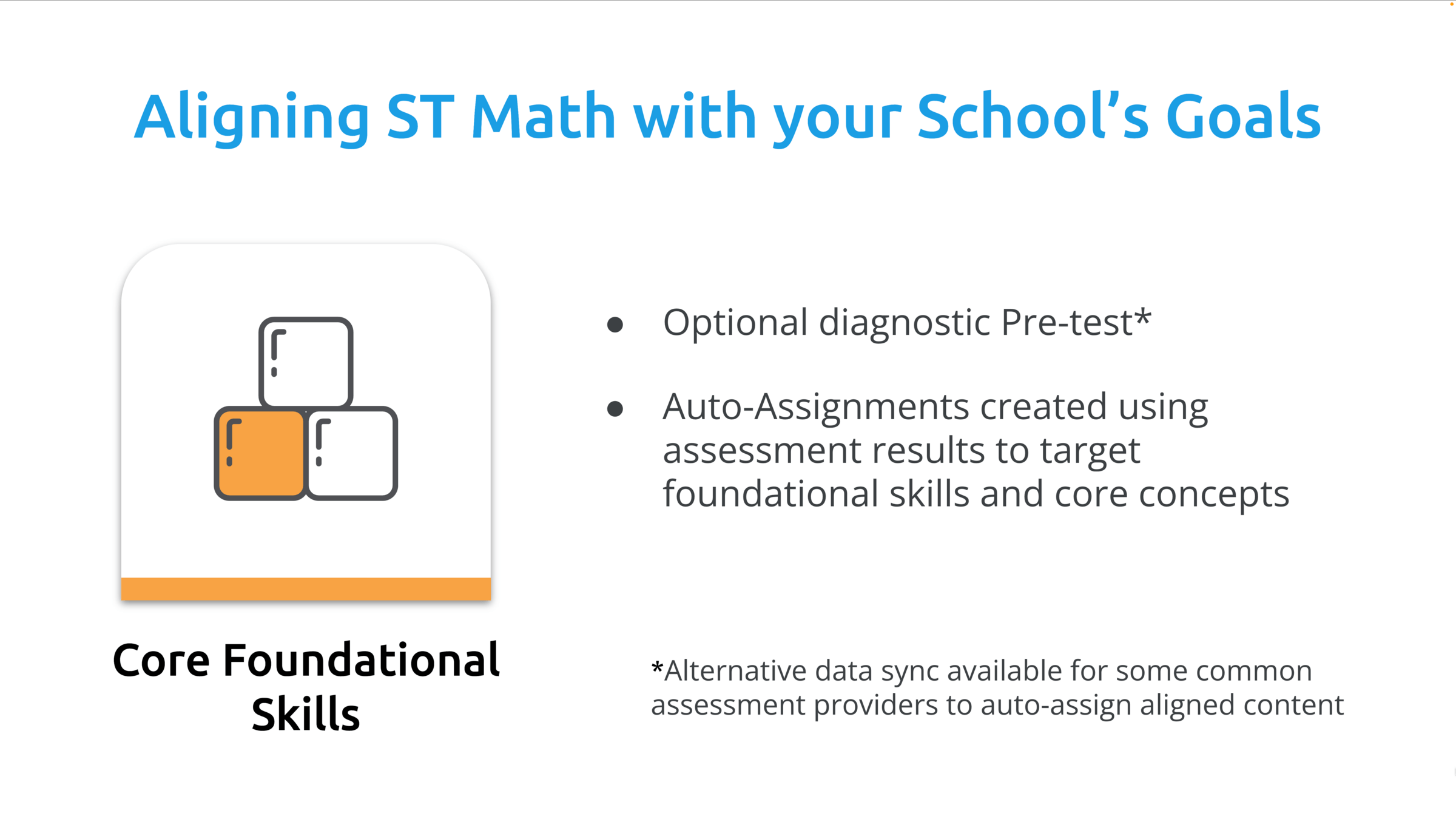
Reports
Powerful reports facilitate impactful decisions based on standards coverage, productivity and usage.
For teachers, ST Math progress reports and student detail information show clear, actionable data that provides insights into productivity, usage, and areas of struggle - effectively informing instruction.
For administrators, it’s reporting at scale that helps optimize usage and track tangible results.


To ensure that all students are mathematically equipped to solve the world's most challenging problems.
OUR MISSION:
Visual to
Symbolic
About MIND
Visualizing
Fractions
Formative
Feedback
Results
& Impact
Skills vs.
Schema
Student
Discourse
How the
Brain Learns
Teacher Experience
Student Experience
Middle School
Why ST Math?
What would it mean for your students if they truly understood the math they’re doing every day?
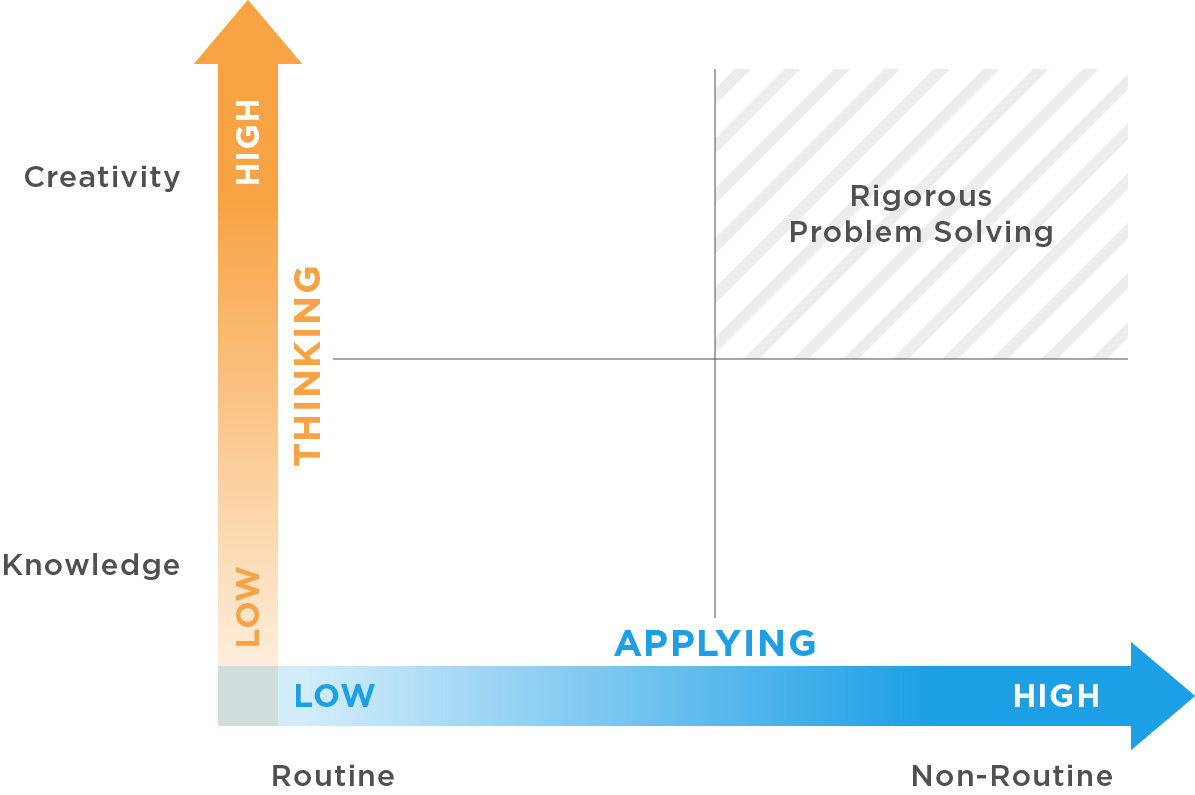
Deep Conceptual Understanding
Deep Conceptual Understanding

Deep Conceptual Understanding






- Builds deep conceptual understanding, not just procedural fluency
- Supports all learners with differentiated, personalized pathways
- Strengthens teacher practice through visual models and discourse (Puzzle Talks)
- Provides actionable data to inform instructional decisions
- Aligns with district goals for achievement, equity, and rigor
Why ST Math?

To ensure that all students are mathematically equipped to solve the world's most challenging problems.
OUR MISSION:
Visual to
Symbolic
About MIND
Visualizing
Fractions
Formative
Feedback
Results
& Impact
Skills vs.
Schema
Student
Discourse
How the
Brain Learns
Teacher Experience
Student Experience
Middle School
Why ST Math?